
Find your car by year
Pick the year off your mulkiya, then your model. You land straight on that car's parts — we work the chassis code out for you.
Step 1 — what year is your car?
Every car sold that year appears here. No chassis code needed — we work it out from the model and the year.
Every Mercedes-Benz we carry
89 generations across 36 model lines, by body. You do not need the chassis code — find the car that looks like yours and tap it. The strips move on their own; hover, hold or drag to stop one.
Saloons
31 generations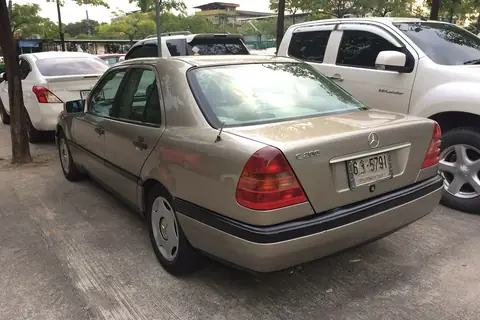 C-ClassW2021993–2000
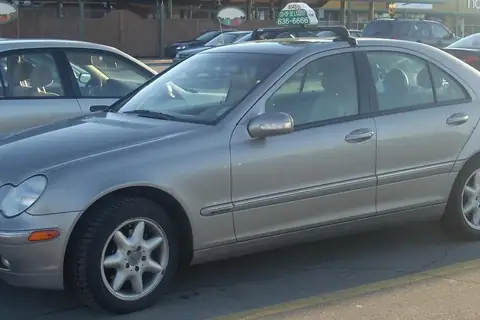 C-ClassW2032000–2007
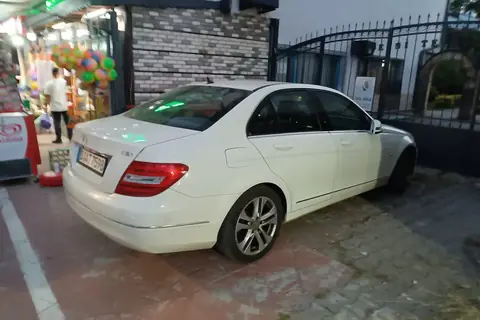 C-ClassW2042007–2014Photo: Kadir9311
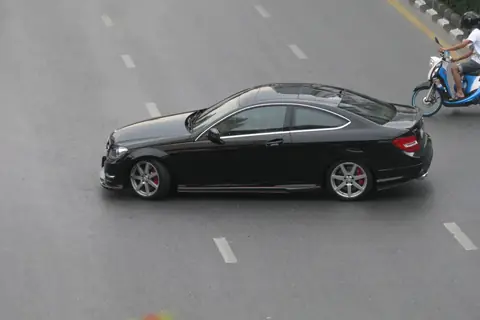 C-ClassC2042011–2015Photo: nakhon100
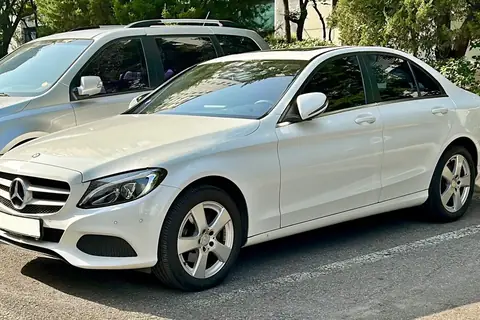 C-ClassW2052014–2021Photo: Benespit
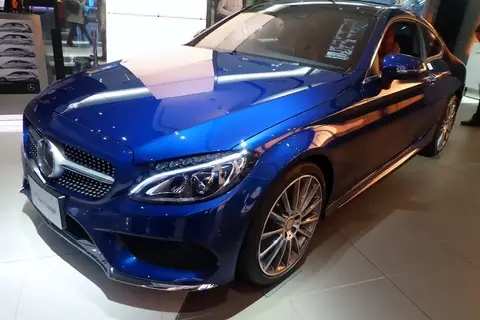 C-ClassC205 / A2052015–2023Photo: Tokumeigakarinoaoshima
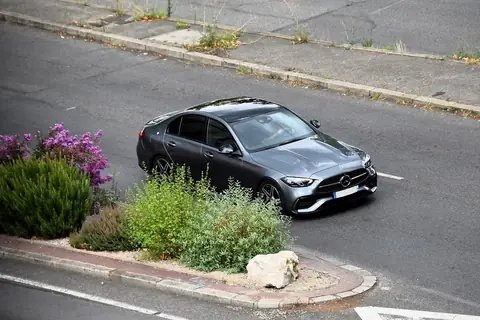 C-ClassW2062021–present
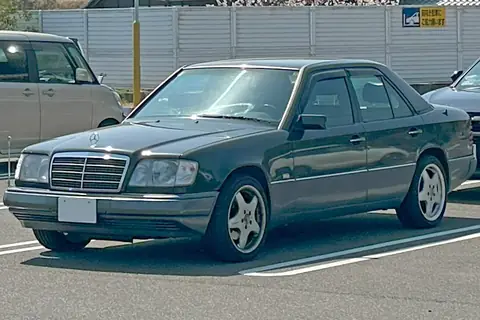 E-ClassW1241984–1997
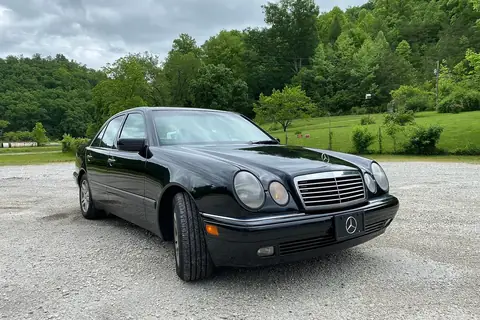 E-ClassW2101995–2002Photo: Norwick
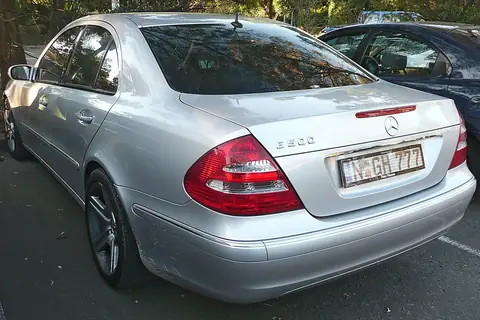 E-ClassW2112002–2009
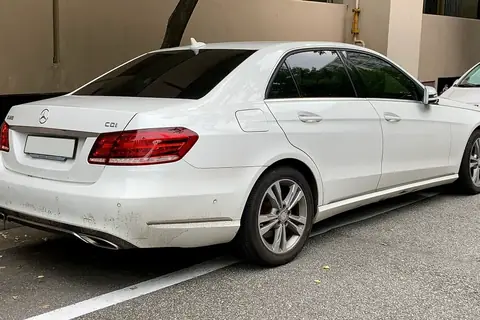 E-ClassW2122009–2016Photo: Benespit
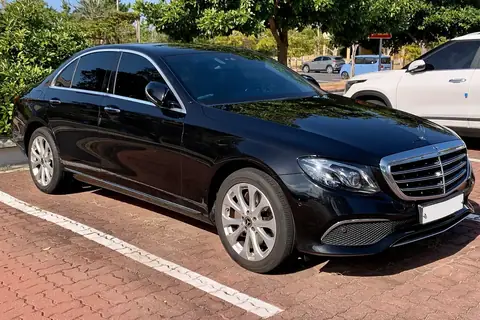 E-ClassW2132016–2023Photo: Benespit
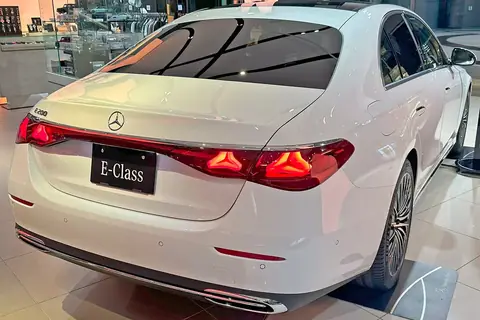 E-ClassW2142023–present
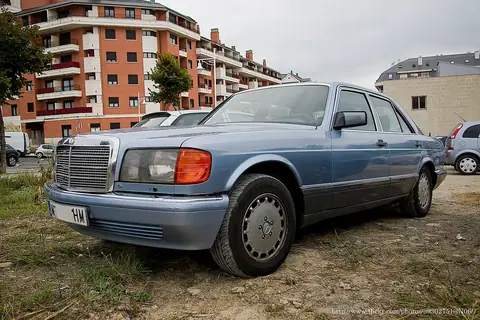 S-ClassW126 / C1261979–1991Photo: Spanish Coches
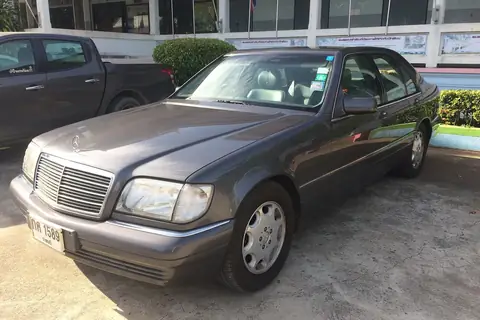 S-ClassW140 / C1401991–1998
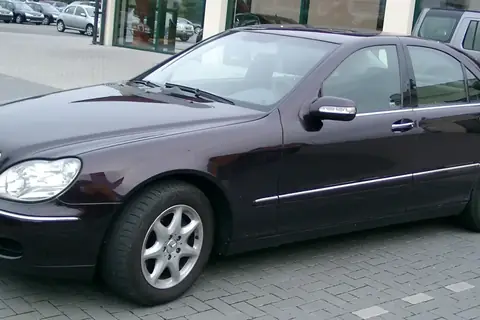 S-ClassW2201998–2005Photo: Randolf Striker
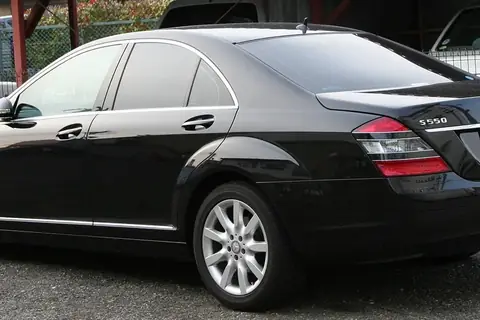 S-ClassW2212005–2013
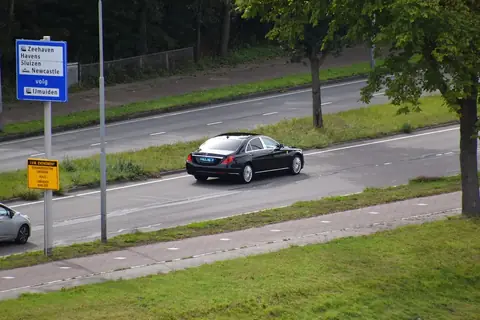 S-ClassW2222013–2020
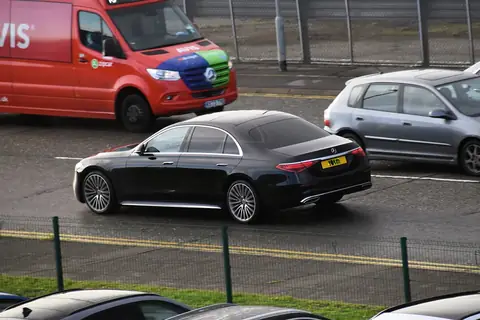 S-ClassW2232020–present
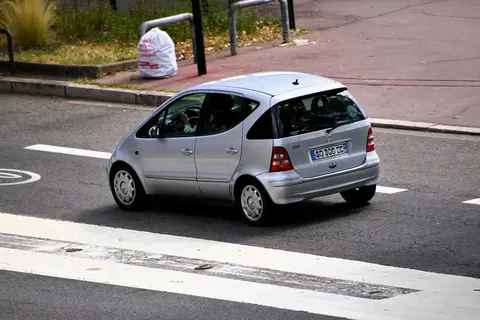 A-ClassW1681997–2004
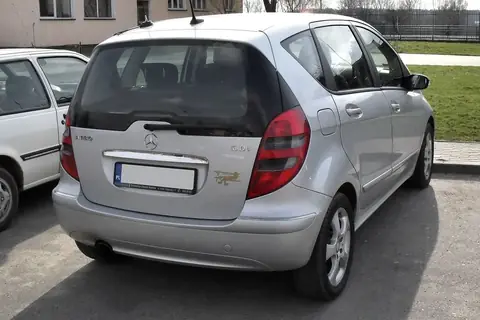 A-ClassW1692004–2012Photo: Pitak
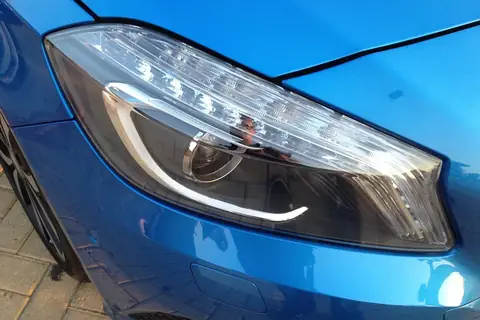 A-ClassW1762012–2018Photo: John Karakatsanis from Athens, Greece
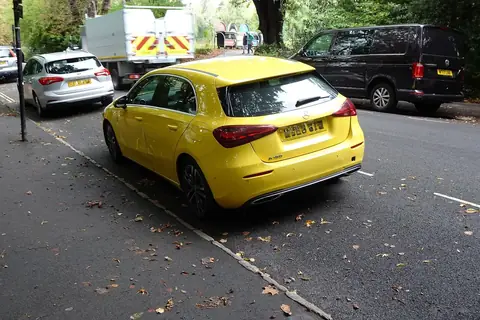 A-ClassW1772018–present
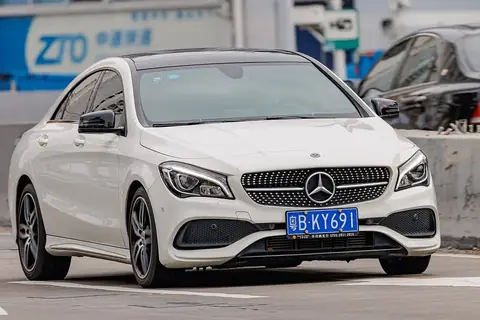 CLAC1172013–2019Photo: Dinkun Chen
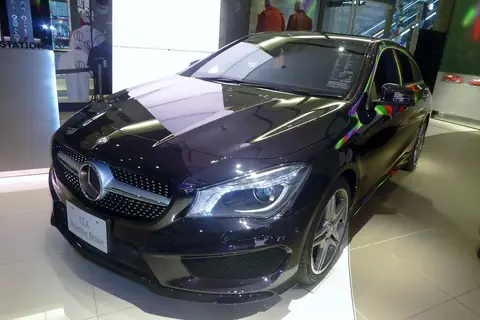 CLAX1172015–2019
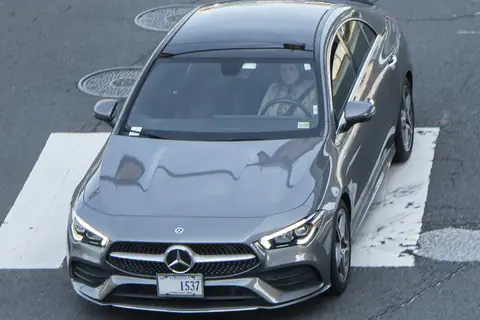 CLAC1182019–2025Photo: OWS Photography
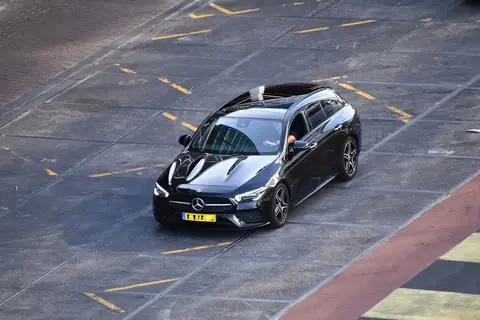 CLAX1182019–2025
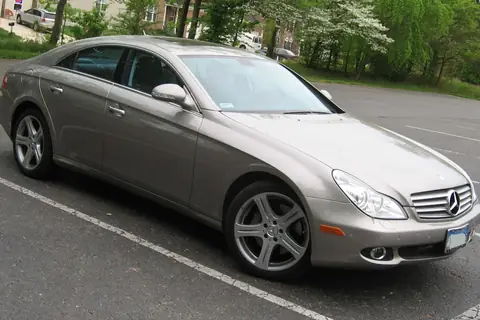 CLSW219 / C2192004–2010
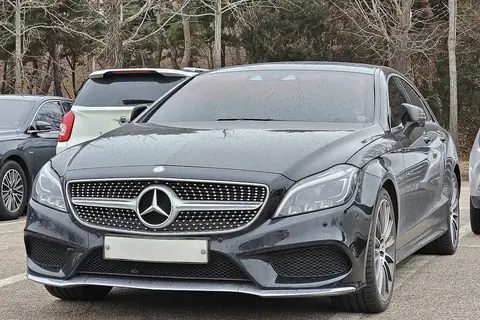 CLSW218 / C2182010–2018Photo: Damian B Oh
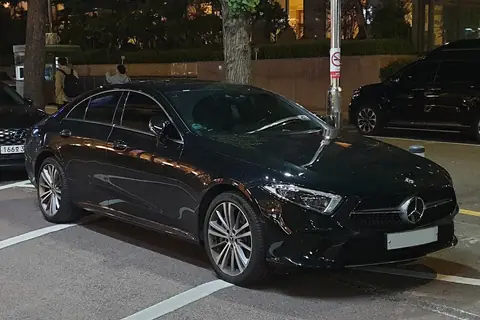 CLSC2572018–2023Photo: Damian B Oh
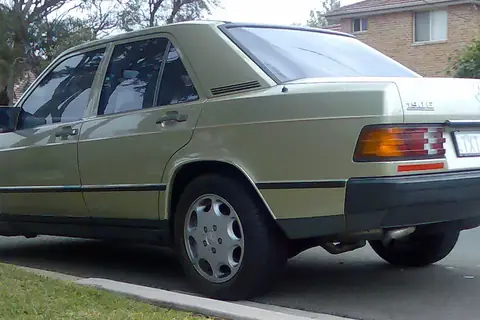 190 (W201)W2011982–1993
Estates & tourers
3 generations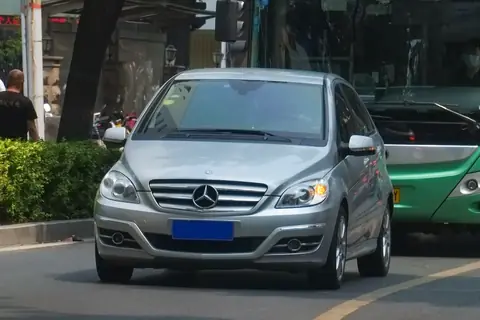
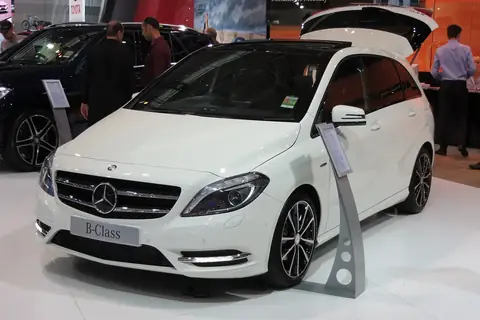
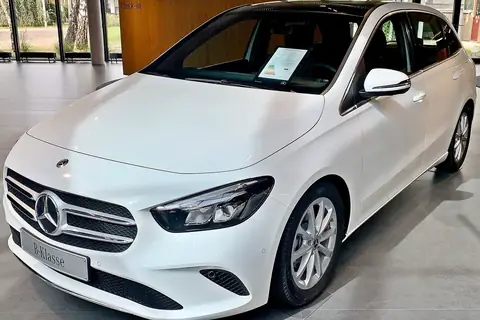
SUVs & crossovers
20 generations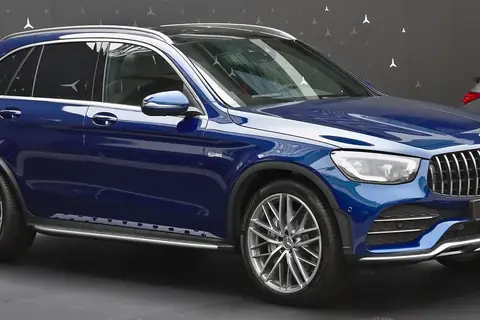 GLCX2532015–2022Photo: Alexander Migl
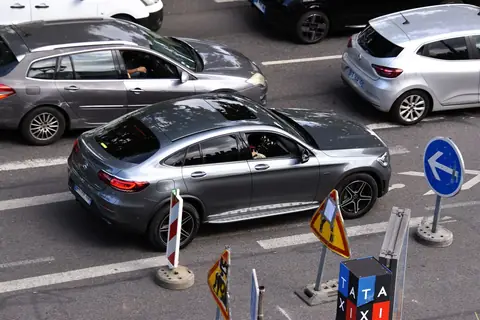 GLCC2532016–2022
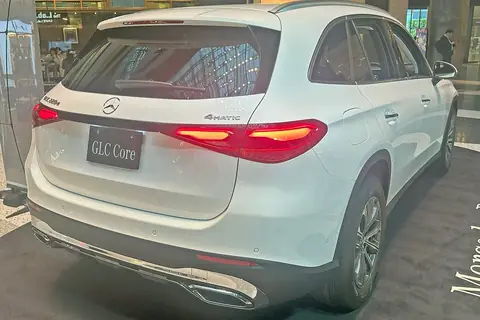 GLCX2542022–present
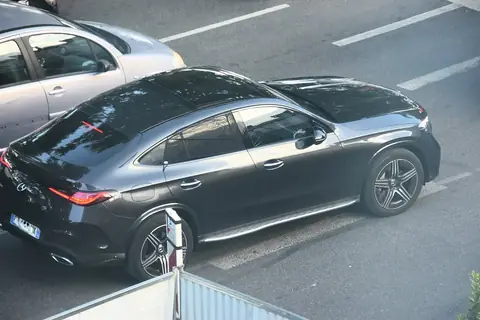 GLCC2542023–present
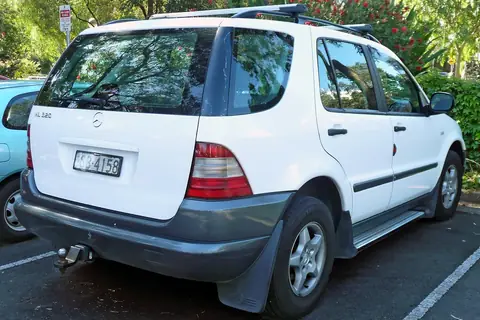 GLEW1631997–2005
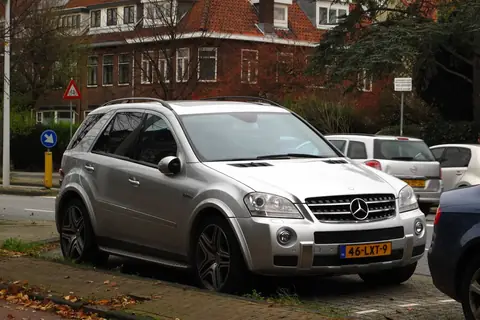 GLEW1642005–2011Photo: Rutger van der Maar
 GLEW1662011–2019
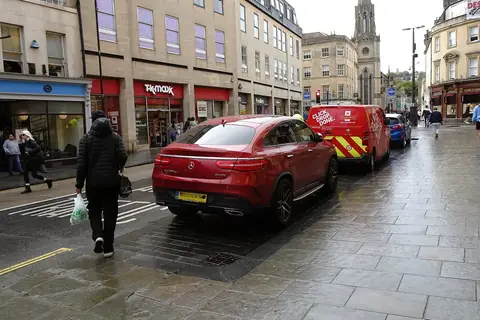 GLEC2922015–2019
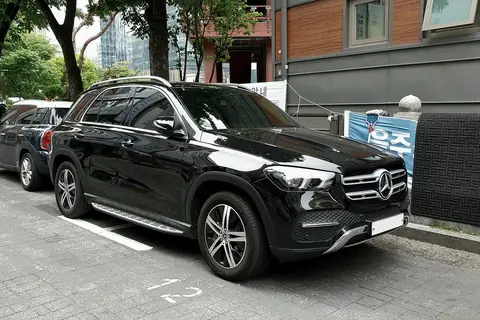 GLEW1672019–presentPhoto: Damian B Oh
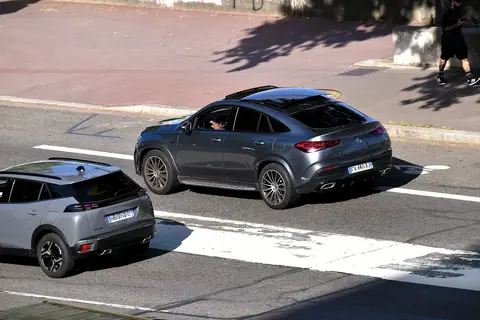 GLEC1672019–present
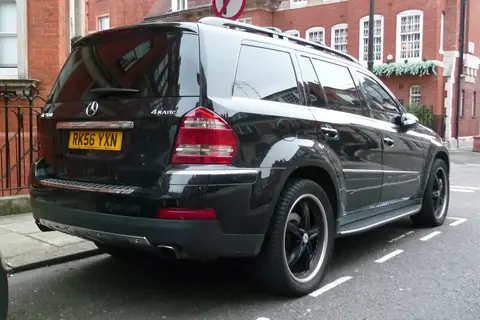 GLSX1642006–2012Photo: Ben from LONDON, United Kingdom
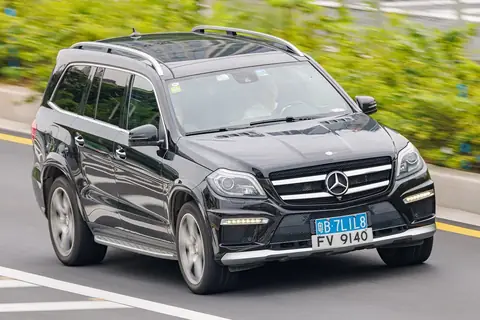 GLSX1662012–2019Photo: Dinkun Chen
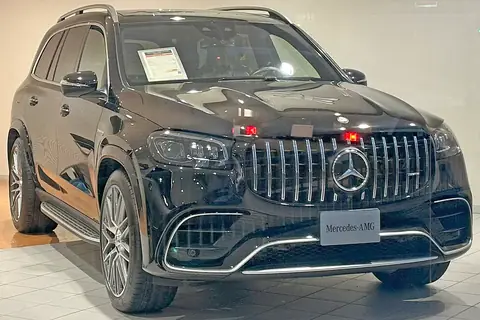 GLSX1672019–present
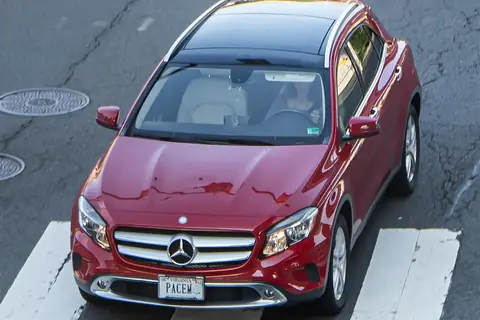 GLAX1562013–2020Photo: OWS Photography
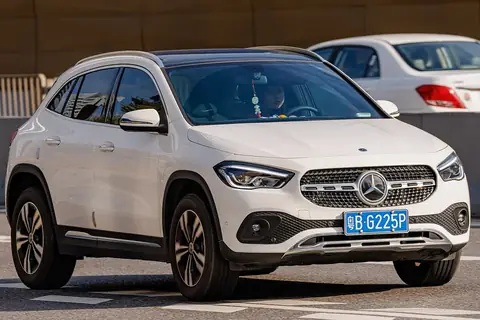 GLAH2472020–presentPhoto: Dinkun Chen
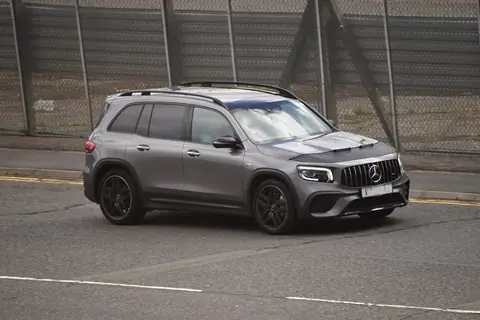 GLBX2472019–present
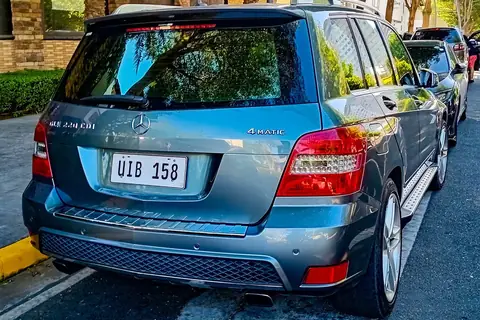 GLKX2042008–2015Photo: Ethan Llamas
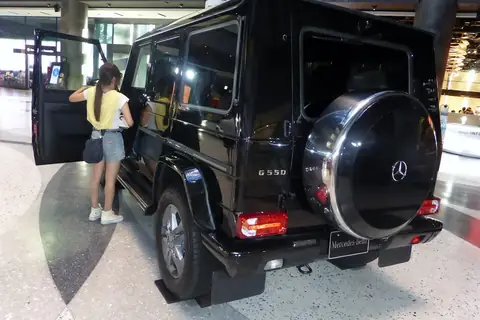 G-ClassW4631990–2018
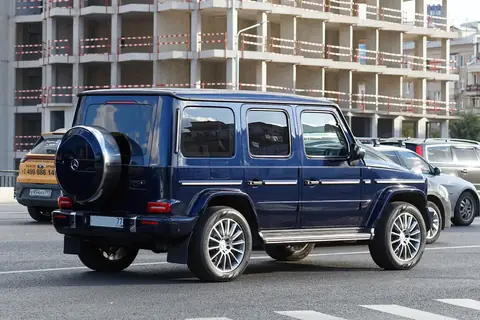 G-ClassW4642018–present
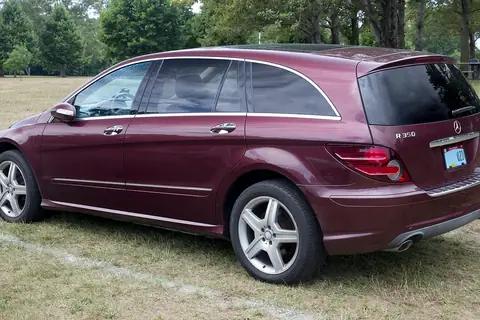 R-ClassW251 / V2512004–2017Photo: Mr.choppers
Coupés & convertibles
12 generations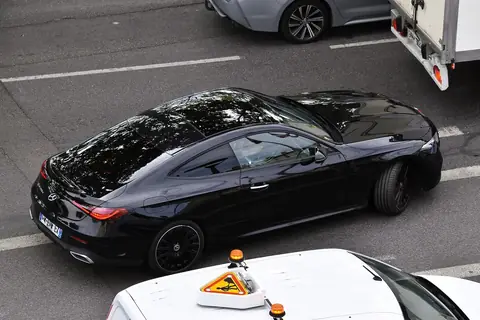 CLEC236 / A2362023–present
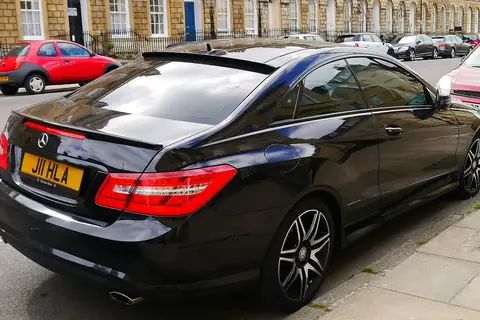 E-Class Coupé & CabrioletC207 / A2072009–2017Photo: Mic from Reading - Berkshire, United Kingdom
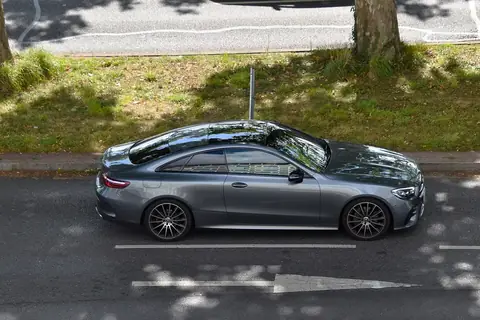 E-Class Coupé & CabrioletC238 / A2382018–2023
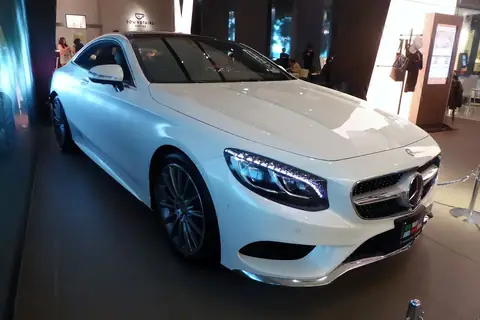 S-Class Coupé & CabrioletC217 / A2172014–2021Photo: Tokumeigakarinoaoshima
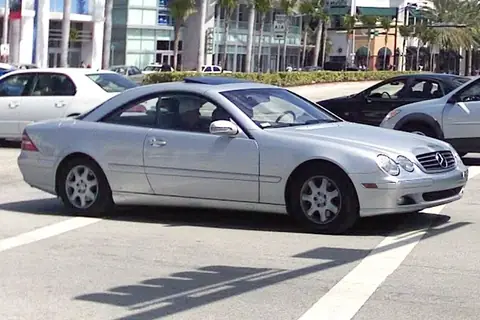 CL-ClassC2151999–2006
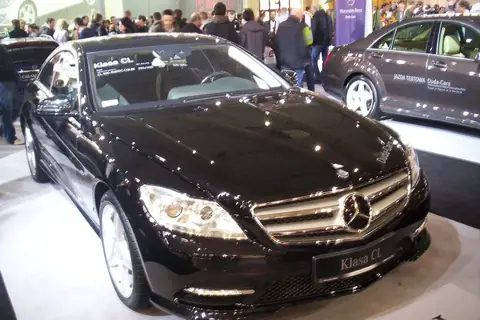 CL-ClassC2162006–2014
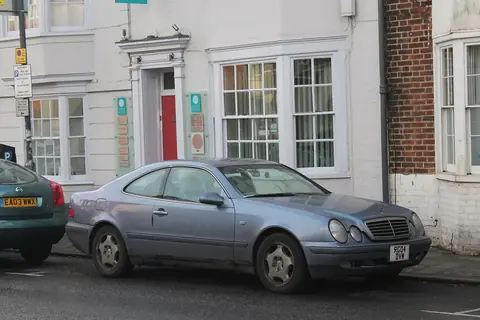 CLKC208 / A2081997–2003Photo: Charlie from United Kingdom
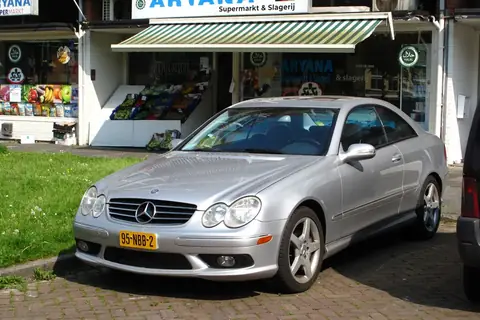 CLKC209 / A2092002–2009Photo: Rutger van der Maar
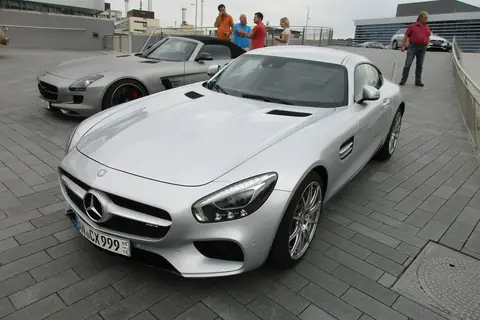 AMG GTC190 / R1902014–2022
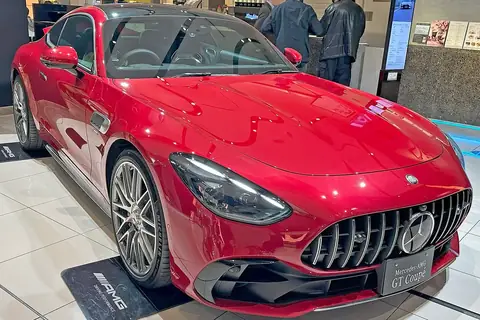 AMG GTC1922023–present
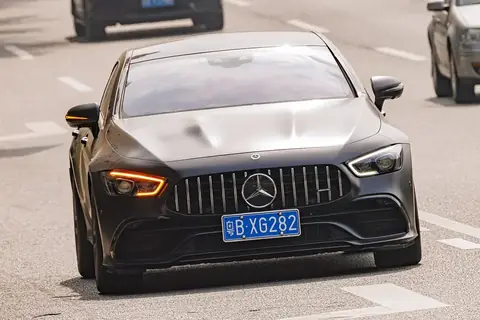 AMG GT 4-DoorX2902018–2026Photo: Dinkun Chen
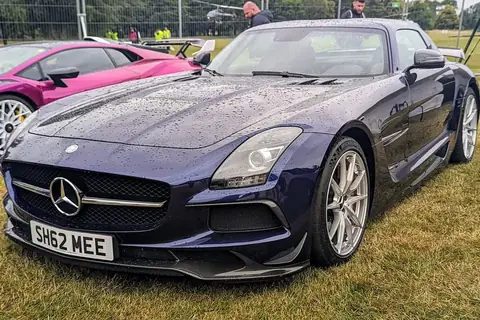 SLS AMGC197 / R1972010–2014
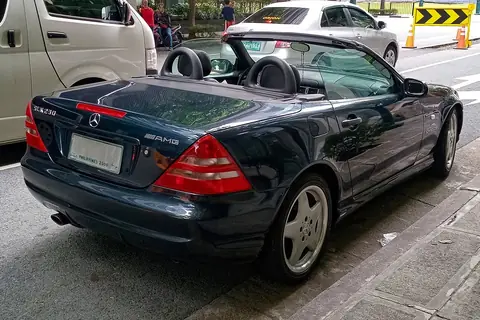
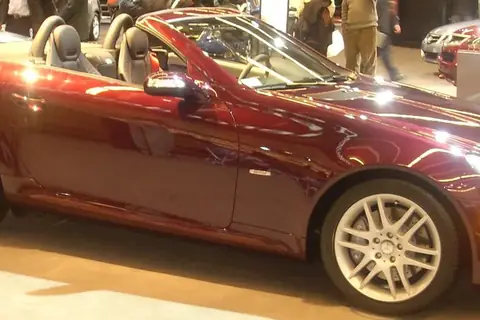
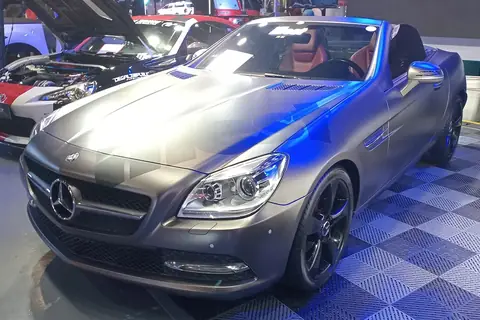
Roadsters
6 generations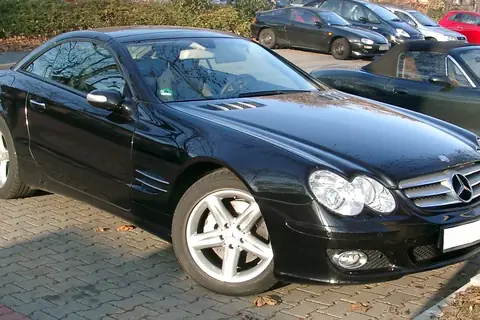
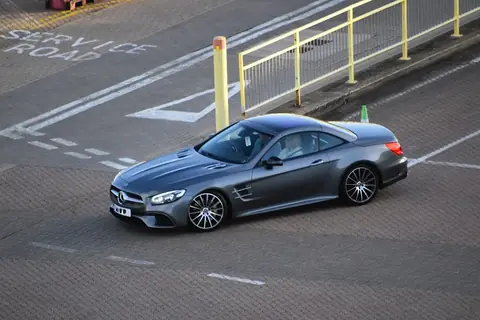
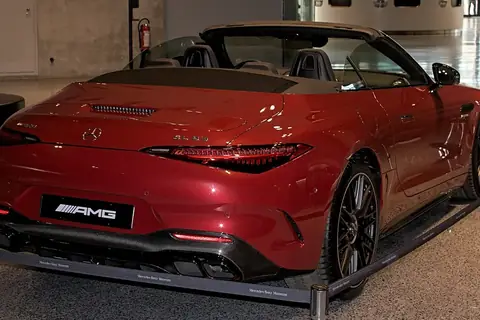
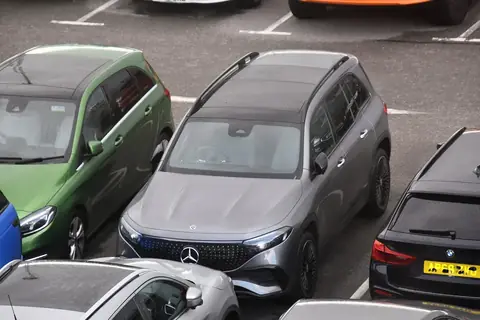
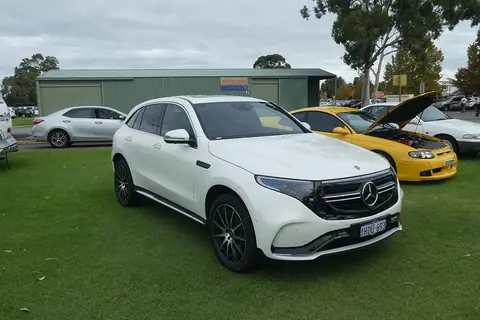
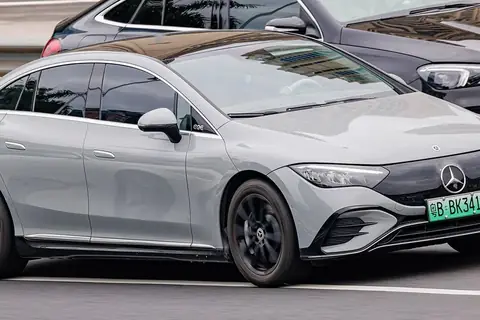
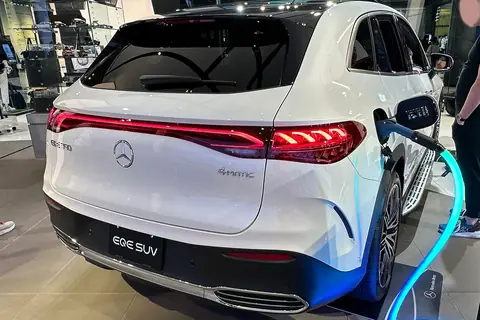
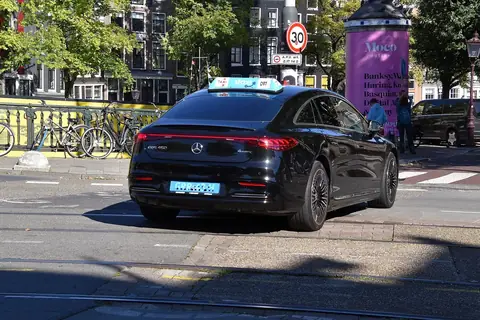
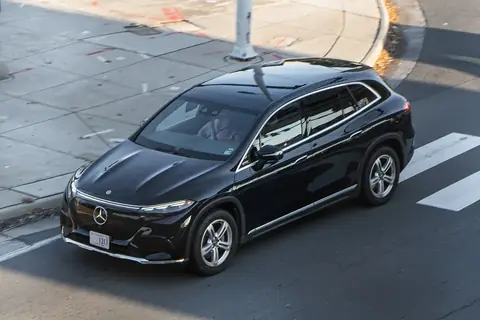
Electric — EQ range
8 generations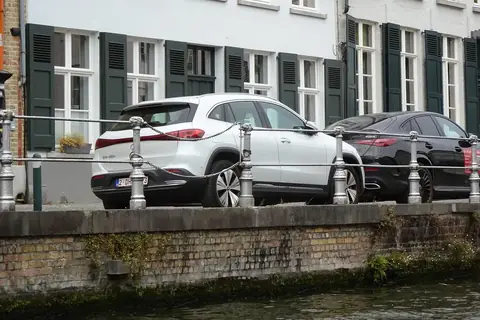
Vans & pickups
9 generations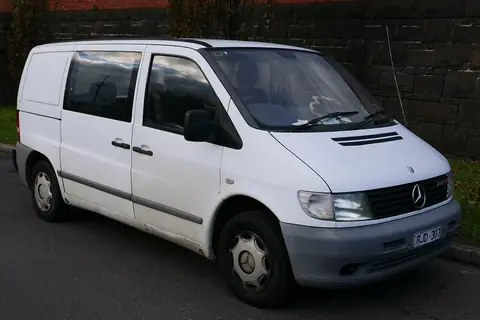 V-Class & VitoW6381996–2003
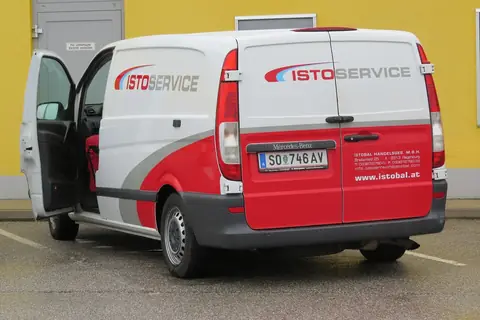 V-Class & VitoW6392003–2014Photo: GT1976
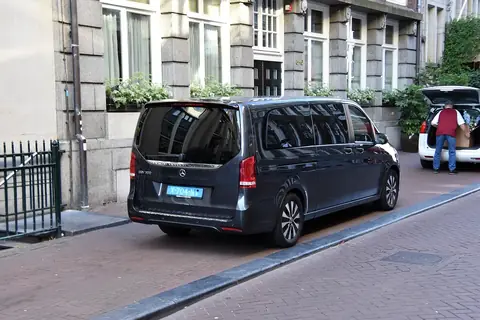
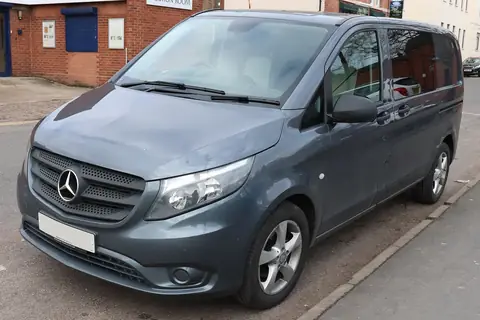 V-Class & VitoW4472014–presentPhoto: Vauxford
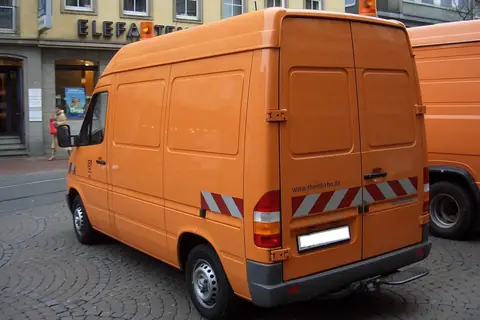 SprinterT1N1995–2006Photo: Detectandpreserve
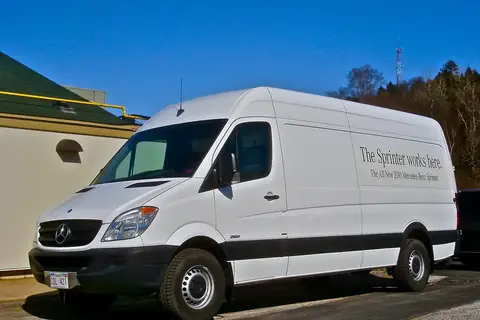 SprinterW9062006–2018Photo: mark.mitchell.brown
 SprinterW9072018–present
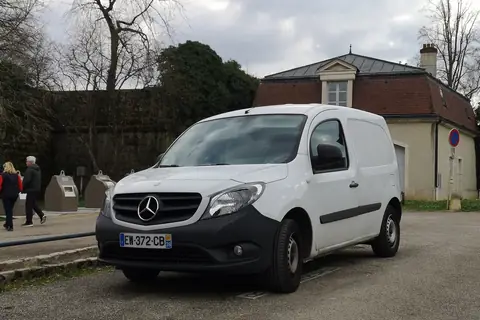 CitanW4152012–2021
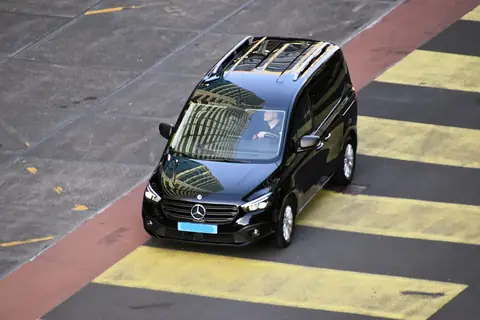 CitanW4202021–2026
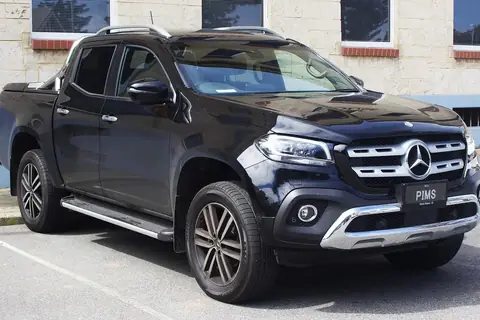 X-ClassW4702017–2020Photo: EurovisionNim
Or find it by model36 model lines · 91 generations
Search the badge on the back of your car, the chassis code off your mulkiya, or just pick the kind of car it is.
Saloons
7C-Class
1993–presentThe volume Mercedes saloon, and the one we are asked for most.
W2021993–00W2032000–07W2042007–14C2042011–15W2052014–21C205 / A2052015–23W2062021–present
7 generationsE-Class
1976–presentThe executive saloon, and a common taxi and chauffeur car in the Emirates.
W1231976–85W1241984–97W2101995–02W2112002–09W2122009–16W2132016–23W2142023–present
7 generationsS-Class
1979–presentThe flagship saloon. Parts are dearer and air suspension is standard on most of them.
W126 / C1261979–91W140 / C1401991–98W2201998–05W2212005–13W2222013–20W2232020–present
6 generationsA-Class
1997–presentThe compact hatchback and saloon.
W1681997–04W1692004–12W1762012–18W1772018–present
4 generationsCLA
2013–2025The four-door coupé built on the compact platform.
C1172013–19X1172015–19C1182019–25X1182019–25
4 generationsCLS
2004–2023The four-door coupé on the E-Class platform.
W219 / C2192004–10W218 / C2182010–18C2572018–23
3 generations190 (W201)
1982–1993Also sold as Baby Benz
The original compact Mercedes and the ancestor of the C-Class. Still restored and still driven here.
W2011982–93
1 generationEstates & tourers
1SUVs & crossovers
8GLC
2015–presentThe mid-size SUV on the C-Class platform, and one of the most common Mercedes on UAE roads.
X2532015–22C2532016–22X2542022–presentC2542023–present
4 generationsGLE
1997–presentAlso sold as M-Class / ML
The large SUV, badged ML until 2015 and GLE since. One vehicle line, renamed.
W1631997–05W1642005–11W1662011–19C2922015–19W1672019–presentC1672019–present
6 generationsGLS
2006–presentAlso sold as GL-Class
The seven-seat SUV, badged GL until 2015 and GLS since.
X1642006–12X1662012–19X1672019–present
3 generationsGLA
2013–presentThe compact SUV on the A-Class platform.
X1562013–20H2472020–present
2 generationsGLB
2019–presentThe boxy compact SUV, seven seats on a small footprint.
X2472019–present
1 generationGLK
2008–2015The compact SUV that came before the GLC. Squared-off, easy to work on, and still common here.
X2042008–15
1 generationG-Class
1990–presentThe G-Wagen. Long-lived, heavily modified in this region, and parts run across decades.
W4631990–18W4642018–present
2 generationsR-Class
2004–2017The six-seat tourer — long, low and built on the ML platform. A chauffeur car in this region.
W251 / V2512004–17
1 generationCoupés & convertibles
8CLE
2023–presentThe current two-door, replacing both the C-Class Coupé and the E-Class Coupé.
C236 / A2362023–present
1 generationE-Class Coupé & Cabriolet
2009–2023The two-door E-Class, which replaced the CLK and was itself replaced by the CLE.
C207 / A2072009–17C238 / A2382018–23
2 generationsS-Class Coupé & Cabriolet
2014–2021The CL's successor, renamed back into the S-Class family.
C217 / A2172014–21
1 generationCL-Class
1999–2014Also sold as S-Class Coupé
The S-Class coupé, sold as the CL for fifteen years. A big car with big-car systems.
C2151999–06C2162006–14
2 generationsCLK
1997–2009The coupé and cabriolet that sat between the C-Class and the E-Class for twelve years.
C208 / A2081997–03C209 / A2092002–09
2 generationsAMG GT
2014–presentThe front-mid-engined AMG sports car, in coupé and roadster form.
C190 / R1902014–22C1922023–present
2 generationsAMG GT 4-Door
2018–2026The four-door AMG GT — a separate car from the two-door, on its own chassis code.
X2902018–26
1 generationSLS AMG
2010–2014The gullwing. Low volume, and the panels and doors are specialist items.
C197 / R1972010–14
1 generationRoadsters
2Electric — EQ range
6EQA
2021–presentThe electric compact SUV, on the GLA body.
H2432021–present
1 generationEQB
2021–2026The electric seven-seat compact SUV, on the GLB body.
X2432021–26
1 generationEQC
2019–2023Mercedes' first EQ model, on the GLC body.
N2932019–23
1 generationEQE
2022–presentThe electric executive saloon, on the dedicated EVA2 platform.
V2952022–presentX2942022–present
2 generationsEQS
2021–presentThe electric flagship — saloon and SUV, both on the dedicated platform rather than an adapted one.
V2972021–presentX2962022–present
2 generationsEQV
2020–2023The electric V-Class, on the W447 body.
V4472020–23
1 generationVans & pickups
4V-Class & Vito
1996–presentAlso sold as Viano
The mid-size van, as a passenger V-Class or a panel Vito. Heavily used for staff transport here.
W6381996–03W6392003–14W4472014–present
3 generationsSprinter
1995–presentThe large van. Fleet work, delivery and conversions — the highest-mileage Mercedes we are asked about.
T1N1995–06W9062006–18W9072018–present
3 generationsCitan
2012–2026The small city van, built with Renault. Parts often cross over from the Kangoo.
W4152012–21W4202021–26
2 generationsX-Class
2017–2020Mercedes' pickup, built on the Navara platform. Short production run and a specific parts picture.
W4702017–20
1 generationReference — none of this is needed to get a price
Reading your chassis numberwhat the seventeen characters mean
Start with the chassis number
A Mercedes is identified by its chassis number — seventeen characters, and the only thing that settles which parts fit. In the UAE the quickest place to read it is your mulkiya (vehicle registration card); on the car it is at the base of the windscreen on the driver's side and on the sticker in the driver's door jamb.
- Characters 1–3
- Who built it and what kind of vehicle. WDB and WDD are passenger cars, WDC is an SUV, W1K and W1N are the newer passenger and SUV codes used from 2022.
- Characters 4–8
- The model, the body style and the engine. This is the part that decides fitment — it is where the W205 or W213 in the model code is actually written.
- Character 9
- A check digit. It validates the rest; it tells you nothing about the car.
- Character 10
- Model year.
- Character 11
- The plant that built it.
- Characters 12–17
- The serial number — unique to your car.
If you send us the full seventeen characters we can work out the generation, the body and usually the engine ourselves. If you would rather not send it, the model, the year and the engine badge on the boot will get us most of the way — we will confirm before anything is ordered.
Every system on the carall 18, by symptom
Every system on the car — 449 parts
Grouped by system, and each led by the symptom that sends people looking for it. Open the one that matches what the car is doing.
Brakes
Everything that slows and stops the car.
Symptom: Squealing or grinding when braking, a soft or long pedal, a brake warning light, or pulling to one side under braking.
Suspension & Steering
What holds the wheels to the car, absorbs the road, and points the car where you steer.
Symptom: Knocking over bumps, the car sitting low on one corner, wandering or heavy steering, uneven tyre wear, or an AIRMATIC warning.
Engine
The engine itself — the moving parts, the timing, and everything that seals it.
Symptom: Rattle on start-up, rough running, a check-engine light, an oil leak, low compression, or a timing chain warning.
Oil & Lubrication
Getting oil where it is needed and keeping it clean and cool.
Symptom: Oil leak, low oil pressure warning, oil in the coolant, or oil consumption between services.
Cooling
Keeping the engine, gearbox and charge air at the temperature they are designed to run at.
Symptom: Overheating, losing coolant, a temperature gauge that climbs in traffic, a sweet smell, or a coolant warning.
Fuel System
Storing fuel and delivering it to the engine at the right pressure.
Symptom: Hard starting, misfire, hesitation under load, a smell of fuel, a fuel pressure fault code, or poor economy.
Exhaust & Emissions
Carrying gases away and cleaning them enough to pass a test.
Symptom: Blowing exhaust, a rattle underneath, failed emissions at registration, a DPF or AdBlue warning, or limp mode.
Ignition, Starting & Charging
Starting the engine, keeping it running and keeping the battery charged.
Symptom: Car will not start, slow cranking, a battery warning light, misfire under load, or electrics that drop out.
Transmission & Drivetrain
Taking the power from the engine to the wheels.
Symptom: Harsh or delayed shifts, a clunk pulling away, vibration at speed, a transmission warning, or fluid on the floor.
High-Voltage Battery & Charging
The traction battery and everything that puts energy into it.
Symptom: Reduced range, a car that will not charge or charges slowly, a high-voltage system warning, or a fault after a collision.
Electric Drive
The motor, the electronics that feed it and the single-speed gear that takes it to the wheels.
Symptom: Loss of drive, a whine or vibration under acceleration, reduced power, or a drive-system warning.
Electrical, Sensors & Modules
The sensors the car reads and the modules that decide what to do about them.
Symptom: A warning light with no obvious fault, a fault code from a scan, windows or locks that stop working, or intermittent electrics.
Lighting
Seeing and being seen — and on a modern Mercedes, one of the most expensive things to replace.
Symptom: A cracked or fogged light, a bulb out, condensation inside the unit, or a lighting fault on the dash.
Air Conditioning & Heating
Cooling the cabin — which in this climate is not a comfort item.
Symptom: Air-con blowing warm, a smell from the vents, a compressor that will not engage, or weak airflow.
Body & Exterior
Panels, glass and trim — what an accident, a car park or the sun damages.
Symptom: Accident damage, a dent or rust, a knocked-off mirror, peeling trim, or a cracked screen.
Interior
Everything inside the cabin, including the parts the Gulf sun destroys first.
Symptom: A cracked or sticky dashboard, a sagging roof lining, a broken switch or handle, worn seat bolsters, or a rattle from the trim.
Service Parts & Consumables
What a car needs at every service, and what a workshop gets through.
Symptom: A service is due, or the car is being prepared for passing and registration.
Used & Salvage Assemblies
Complete assemblies from stripped cars, where a new part is not proportionate to the job.
Symptom: An expensive assembly has failed on an older car, or an insurance repair has to be done at a price that makes sense.
What Mercedes calls thingsAIRMATIC, 4MATIC, SAM, BlueTEC
What Mercedes calls things
Mercedes names its systems, and the names are on the car, on the data card and in the warning messages. Several of them decide which part your car takes, which is why we ask.
AIRMATIC
Air suspension — the car rides on air springs instead of steel coils, with electronically controlled damping.
Why it matters: The single most common mis-order on a Mercedes. An air strut and a coil strut are entirely different parts at entirely different money, and plenty of models were sold both ways.
ADS
Adaptive Damping System — electronically adjustable dampers, fitted alongside AIRMATIC or on its own.
Why it matters: An ADS damper carries a solenoid and a plug. A standard damper will physically fit and then put a light on the dash.
ABC
Active Body Control — hydraulic active suspension, used on S-Class, CL and SL.
Why it matters: Not air suspension and not interchangeable with it. Struts, pumps, accumulators and lines are all specific to ABC.
4MATIC
Mercedes all-wheel drive.
Why it matters: Changes the front suspension, the driveshafts, the subframe, the sump and the exhaust routing. A 4MATIC part list is a different list, not the rear-drive one with extras.
BlueTEC / BlueEFFICIENCY
BlueTEC is the AdBlue-dosed diesel emissions system; BlueEFFICIENCY is the fuel-saving package, including stop-start.
Why it matters: BlueTEC cars carry an AdBlue tank, pump, dosing valve and NOx sensors that non-BlueTEC cars do not. BlueEFFICIENCY stop-start cars need an AGM battery, not an ordinary one.
MULTIBEAM LED / ILS
The adaptive LED headlamp systems. ILS is Intelligent Light System, the earlier bi-xenon version.
Why it matters: Headlights change within a single generation, at facelift and by trim. Halogen, bi-xenon and MULTIBEAM units are three different parts and three very different prices.
SBC
Sensotronic Brake Control — the electro-hydraulic braking system on the pre-facelift W211 and related cars.
Why it matters: Not a conventional master cylinder and servo. The pump is a wear item with a counted life, and there is extended factory cover on it.
ESL / ELV
Electronic Steering Lock — the motorised lock that releases the column when the car is started.
Why it matters: When it fails the car will not start at all, and the fix is a module that has to be coded to the vehicle.
SAM
Signal Acquisition Module — the front and rear fuse, relay and signal units that run most of the car's electrics.
Why it matters: A SAM is not a fuse box you can swap. It is coded to the car, and water ingress is the usual reason one dies.
722.6 / 722.9 / 725.0
Gearbox codes — the five-speed, seven-speed and nine-speed automatics.
Why it matters: The gearbox code, not the model year, decides which internals and which control module the car takes.
M / OM engine codes
M is a petrol engine, OM is a diesel. The number is the engine family — M274, OM651.
Why it matters: The badge on the boot does not identify the engine. A C 200 is an M271 in a W204 and an M274 in a W205.
Data card
The factory build record for one chassis number — every option the car left the line with.
Why it matters: It settles AIRMATIC or steel, 4MATIC or rear-drive, halogen or LED, and the gearbox and paint codes, without anyone guessing. It is why we ask for the chassis number.
Gearboxes722.6, 722.9 and 725.0
Five, seven or nine speed
These overlap by years — the 722.6 ran from 1996 to 2020 and the 722.9 from 2003 to 2020 — so the model year does not tell you which one you have. The data card does, and we read it off your chassis number.
722.6
5G-Tronic
Produced 1996–2020 in different variants; fitted across virtually the whole range
The long-serving five-speed. Widely supported and the cheapest of the three to keep going.
Checked against gearboxlist.com722.9
7G-Tronic
Produced 2003–2020; in cars from about 2005 to 2017 depending on model
Fails in two ways that feel identical from the driver's seat: electronically, inside the conductor plate, and hydraulically, through valve body bore wear. Early units built 2004–2008 are VGS1 and usually need the valve body AND the conductor plate; later VGS2 and VGS3 units can often be done with the conductor plate and TCU alone. Which generation you have decides the price, so it is worth establishing before ordering.
Checked against fcpeuro.com725.0
9G-Tronic
The current nine-speed automatic
The newest of the three. Parts support is through Mercedes rather than the wide aftermarket that exists for the 722.6.
Checked against en.wikipedia.orgQuestions we get asked4 answers
What do you need from me to quote a part?
The chassis number and what the car is doing. With seventeen characters we can work out the generation, the body and usually the engine ourselves. Without it we are guessing, and a guessed part that does not fit wastes your time and ours.
Where do I find the chassis number in the UAE?
Your mulkiya — the vehicle registration card — carries it. On the car it is at the base of the windscreen on the driver's side, and on a sticker inside the driver's door jamb.
Do you sell genuine or aftermarket parts?
Both, and used where it makes sense. Which is right depends on the part and the age of the car, so we price the options side by side and let you choose rather than deciding for you.
Do you fit parts as well as supply them?
We supply. For fitting we can point you at workshops we deal with, but the labour invoice is theirs rather than ours — better to be straight about that than to pretend to be a garage.