
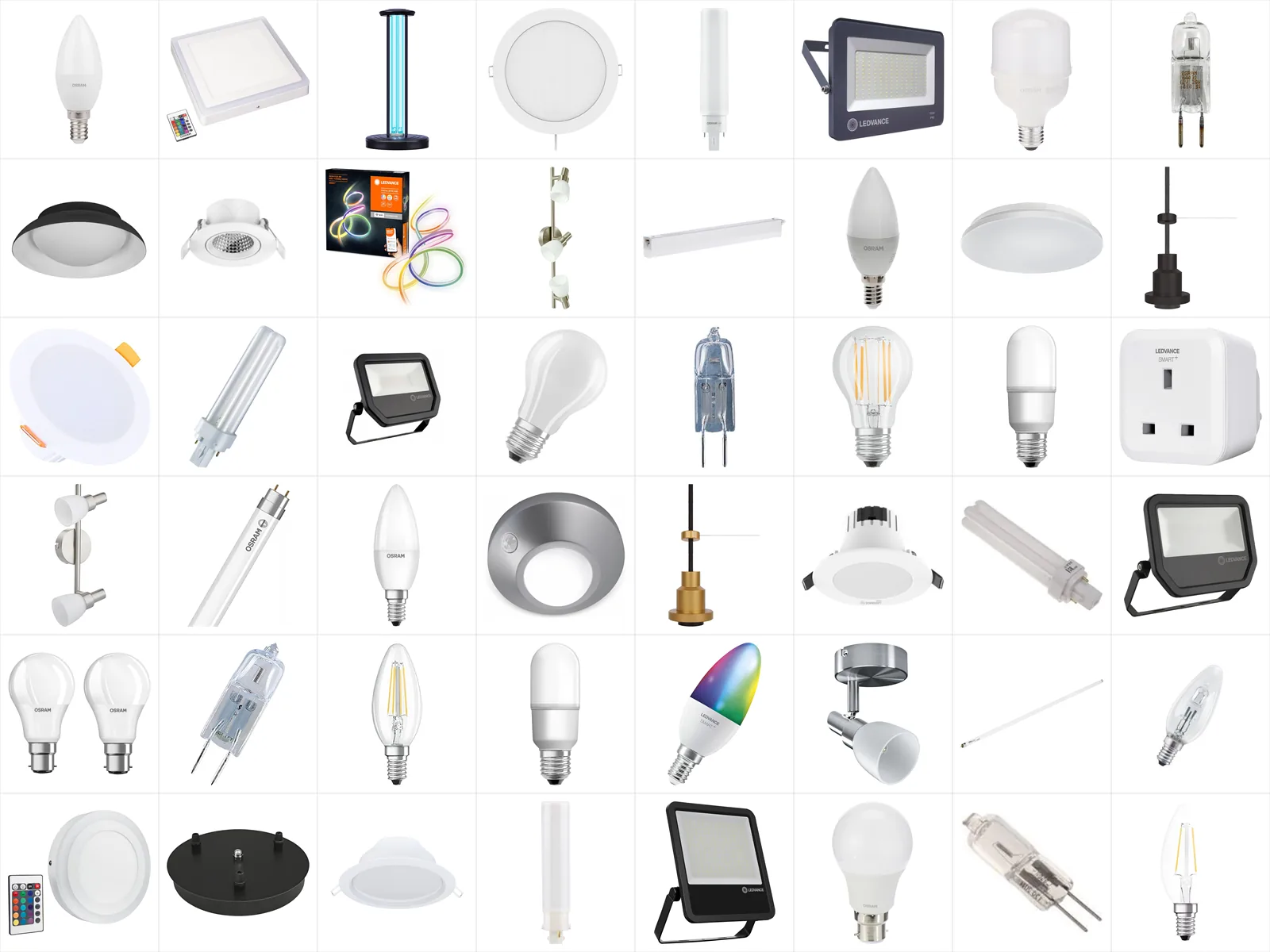
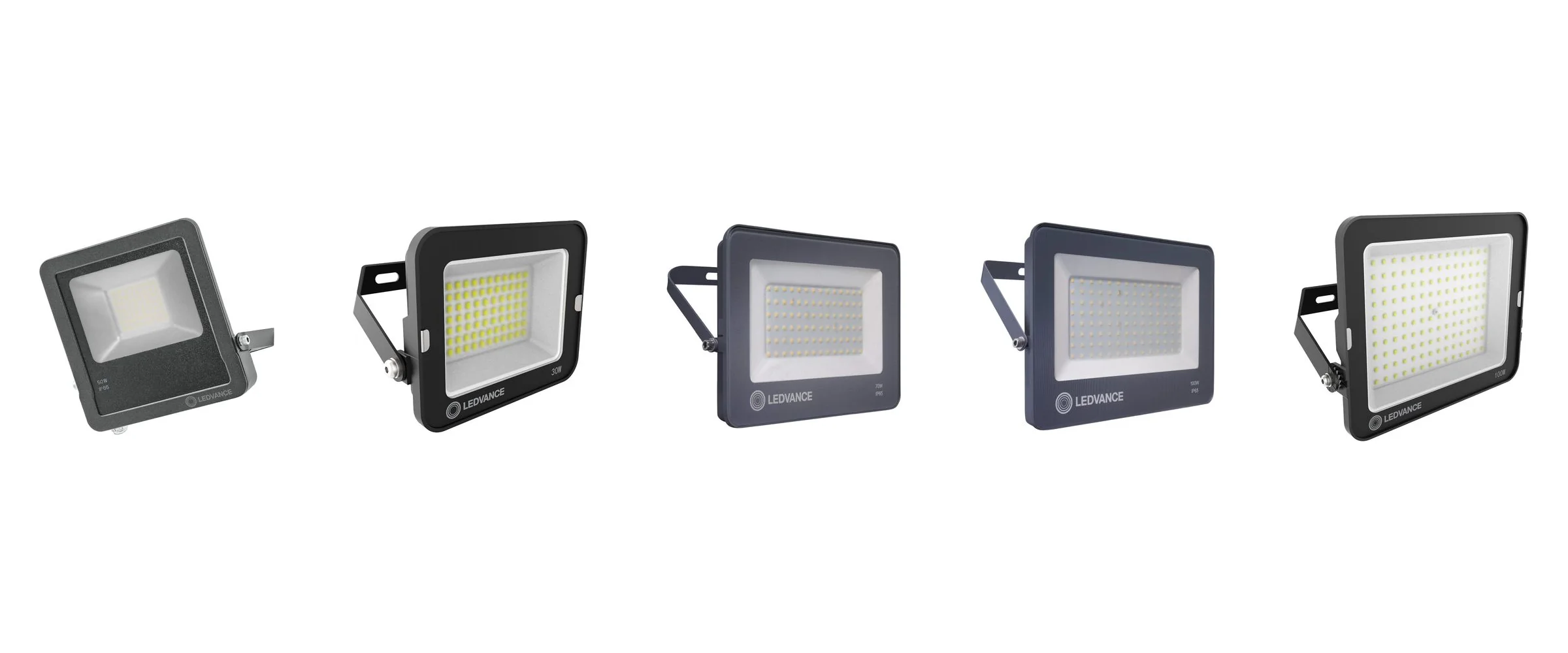
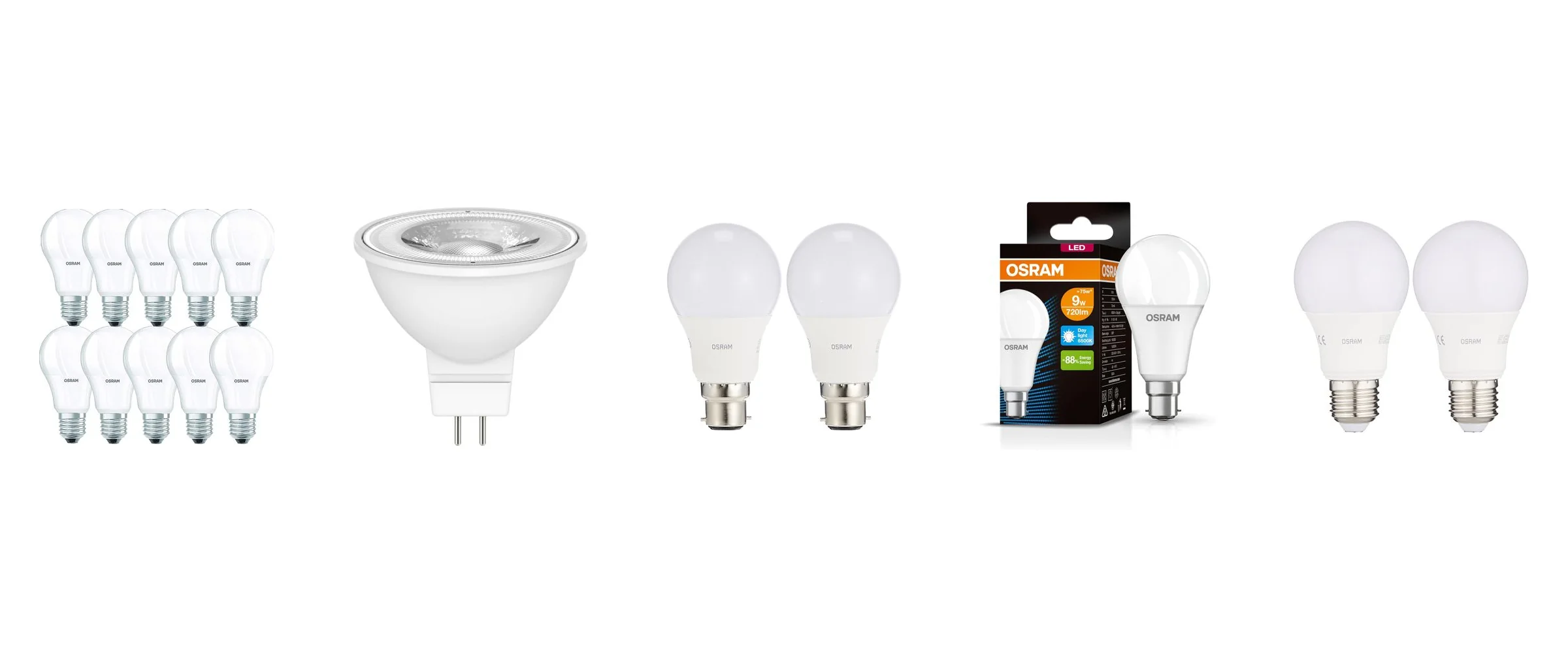
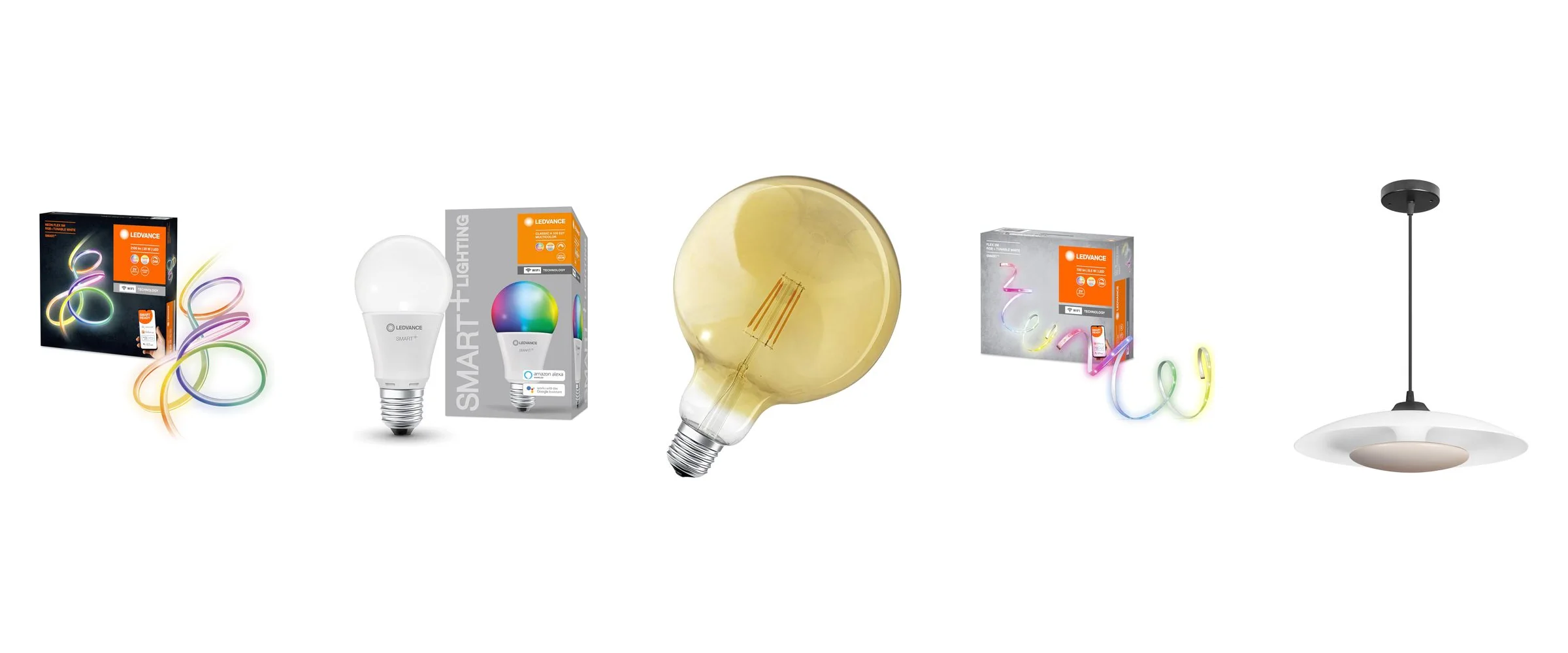
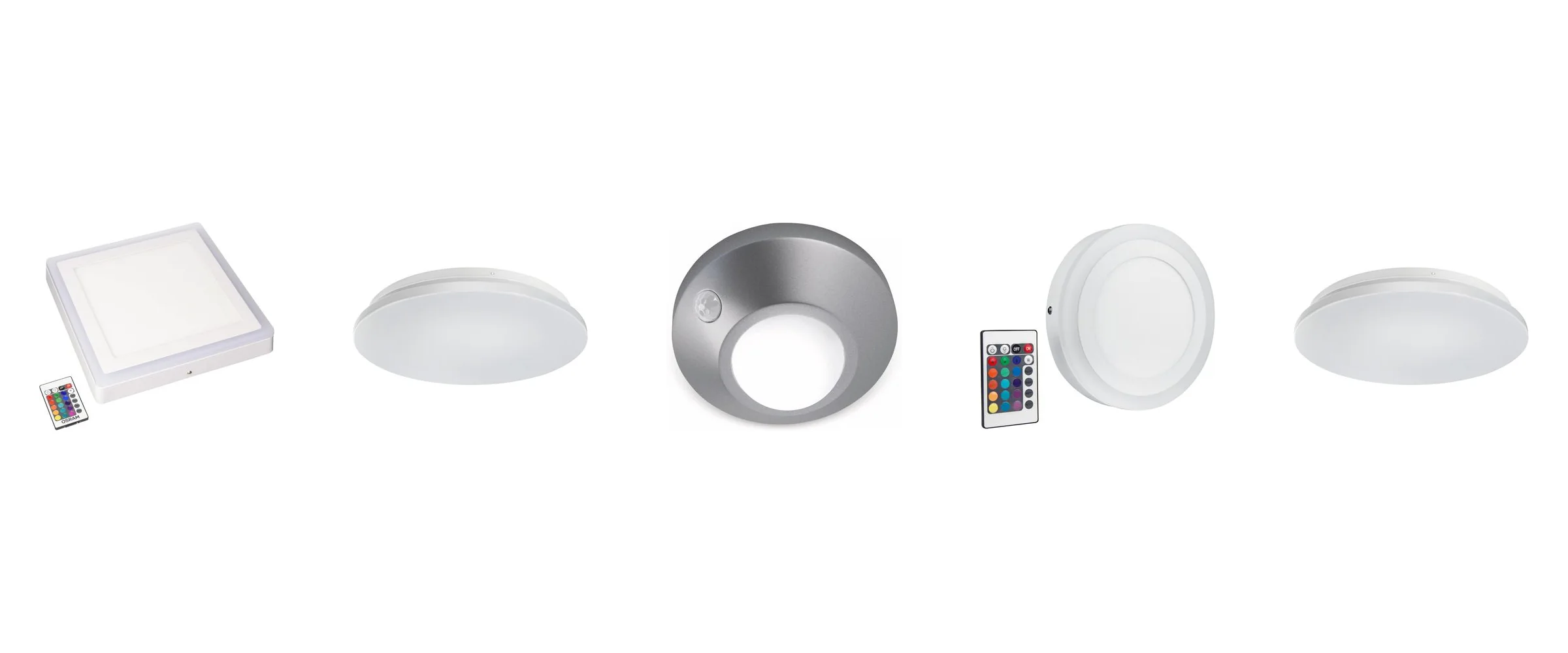
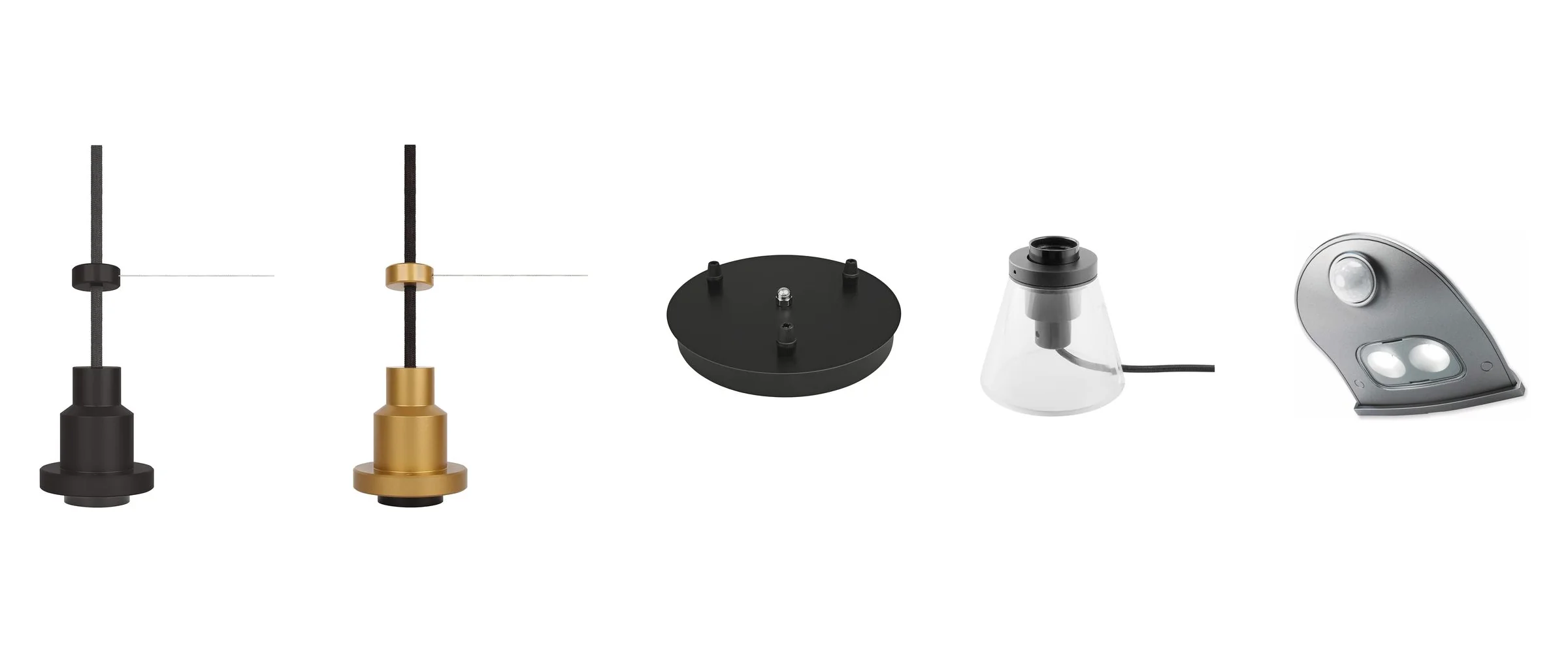
Genuine OSRAM & LEDVANCE.
Floodlights, tubes, LED lamps, downlights and smart fittings, all held in the UAE. Volume orders are priced on quotation — tell us the quantity and the emirate and the figure comes back the same working day.
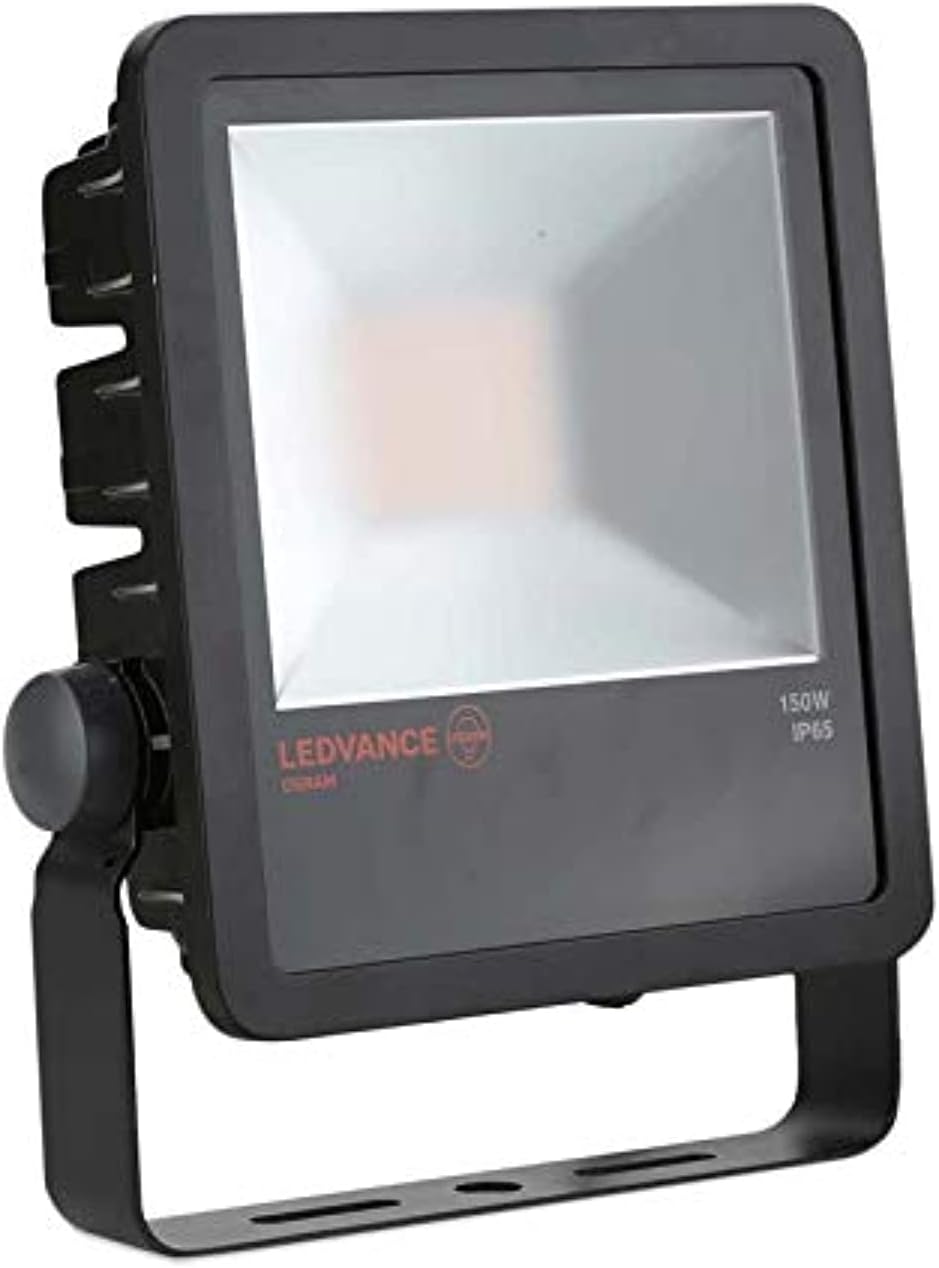
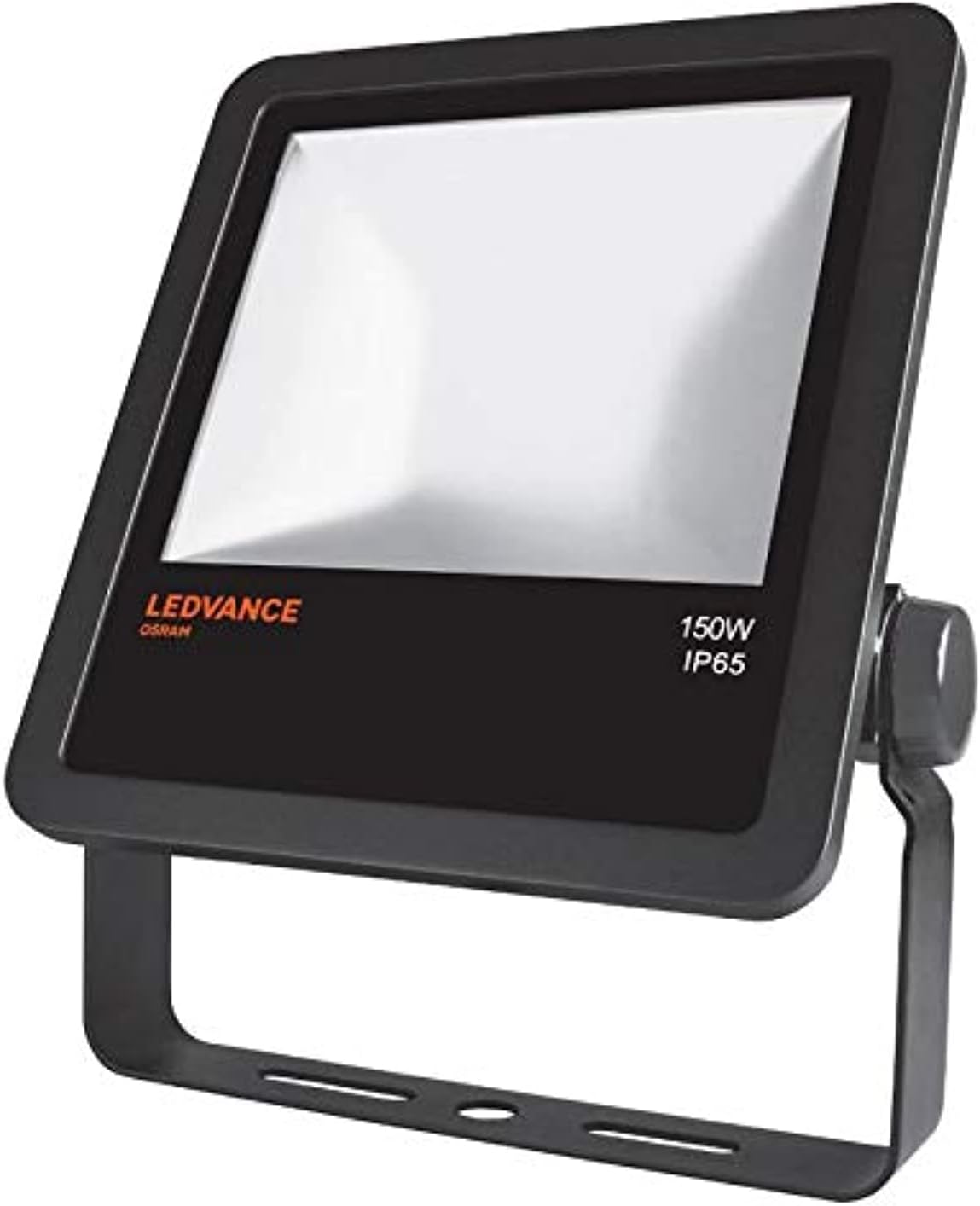
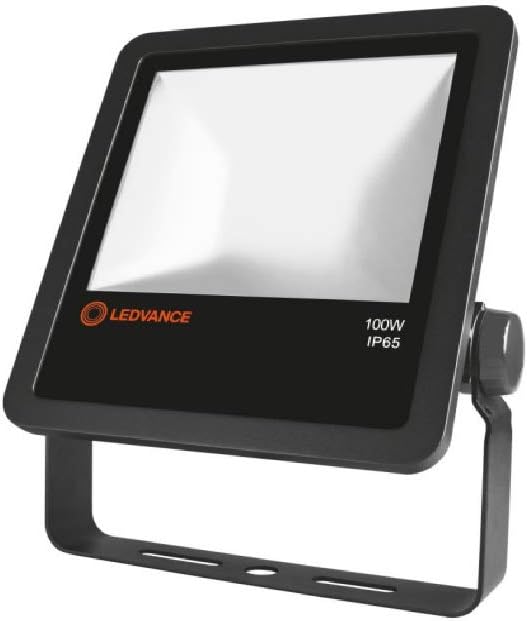
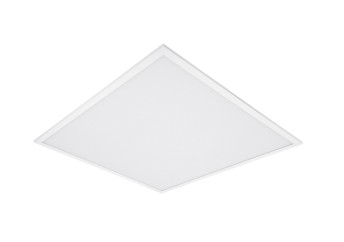
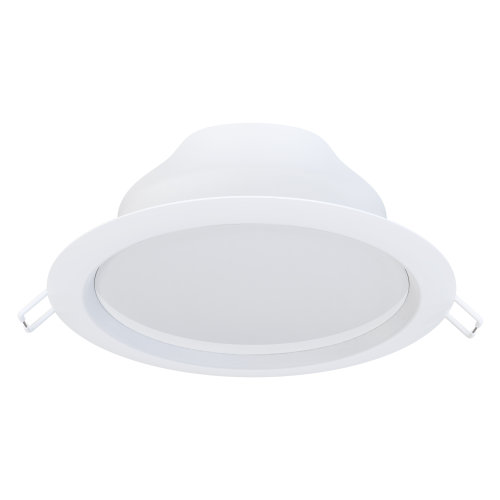
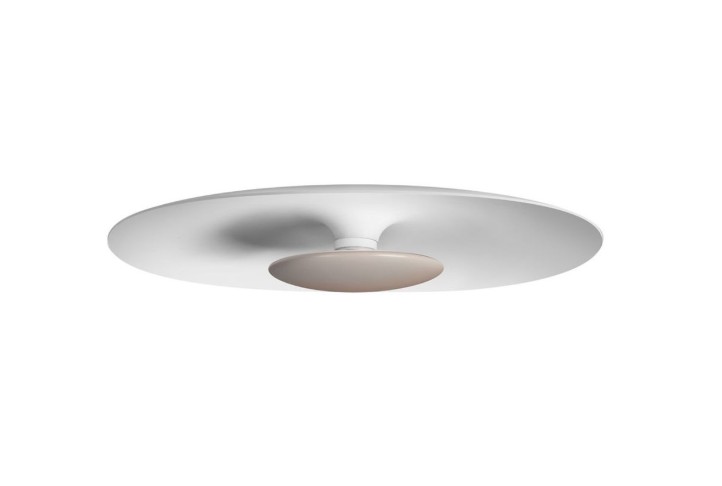
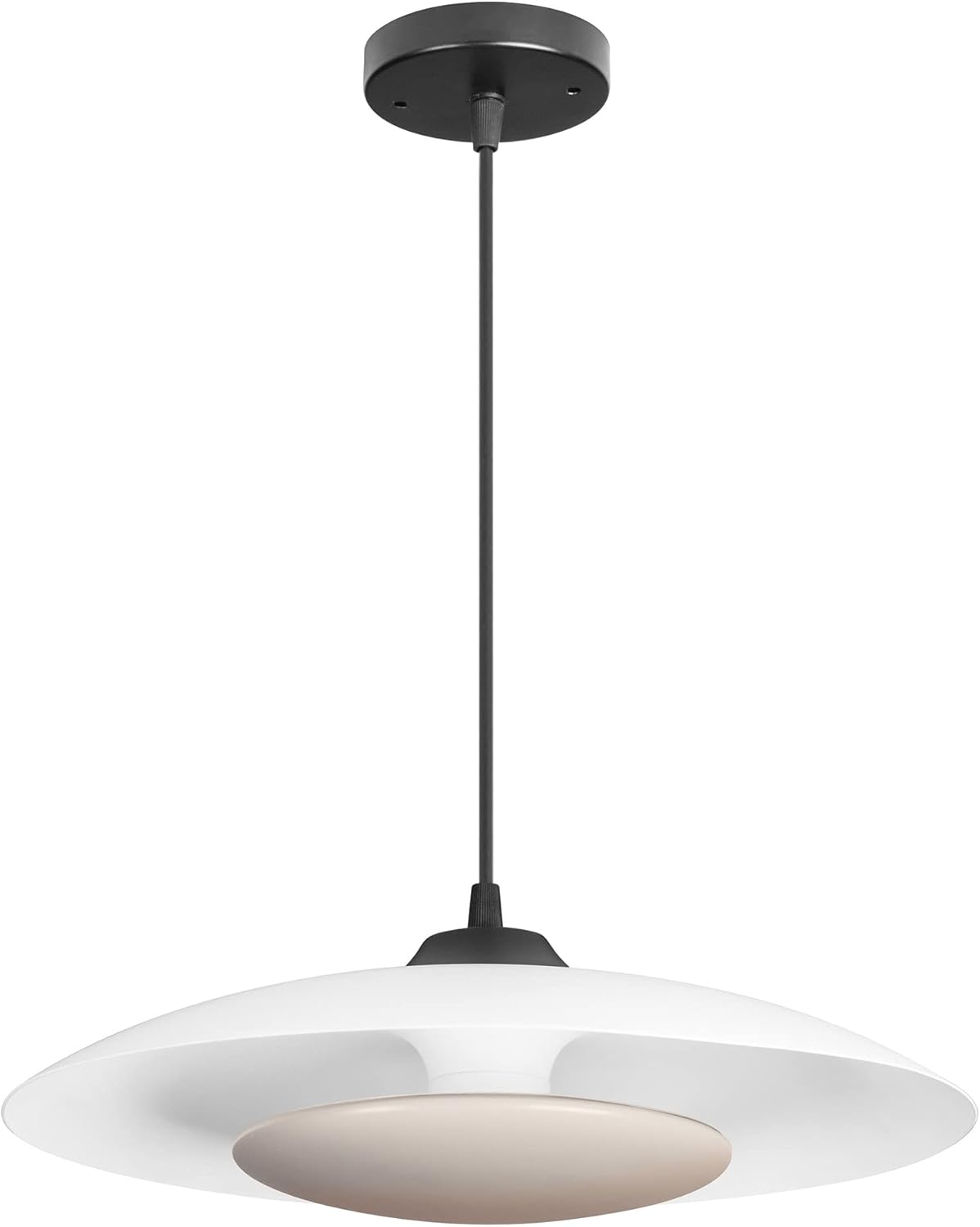
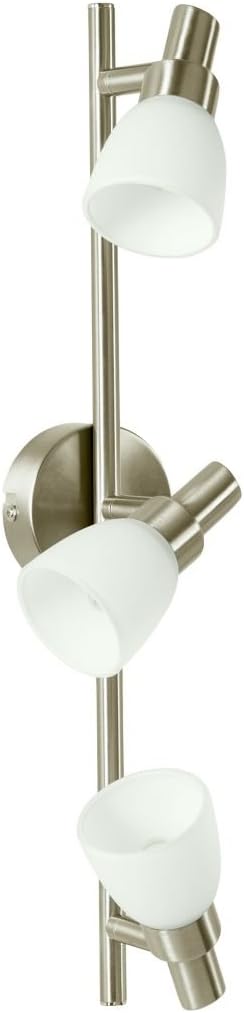
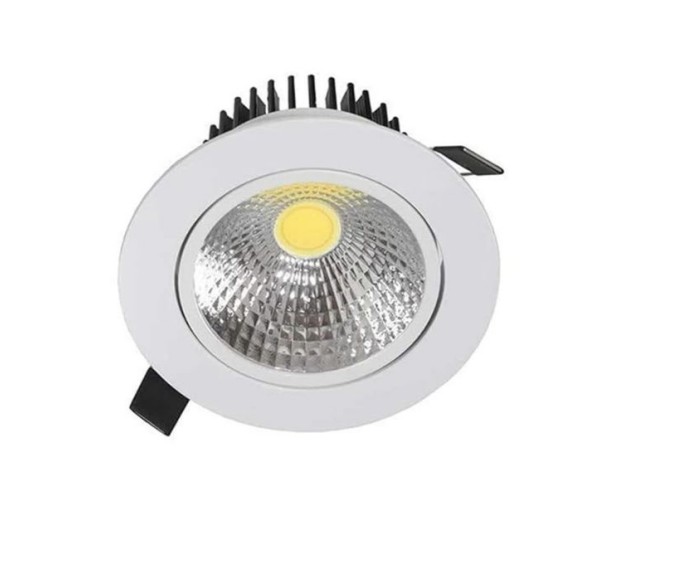
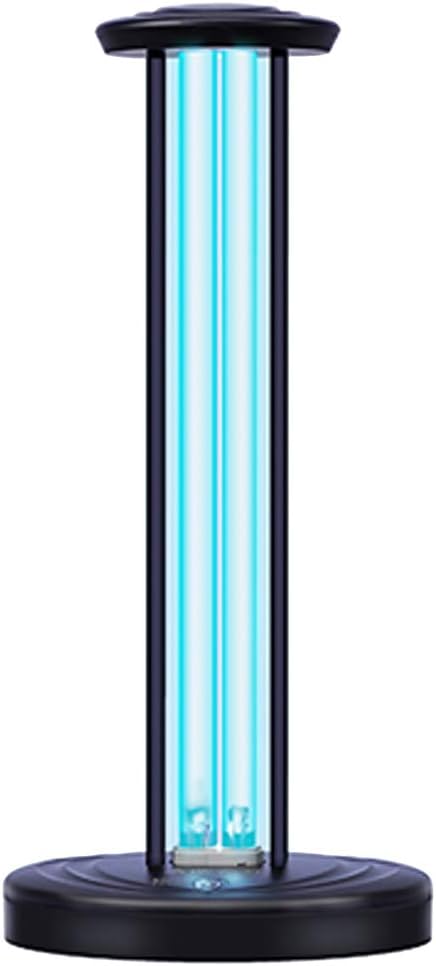
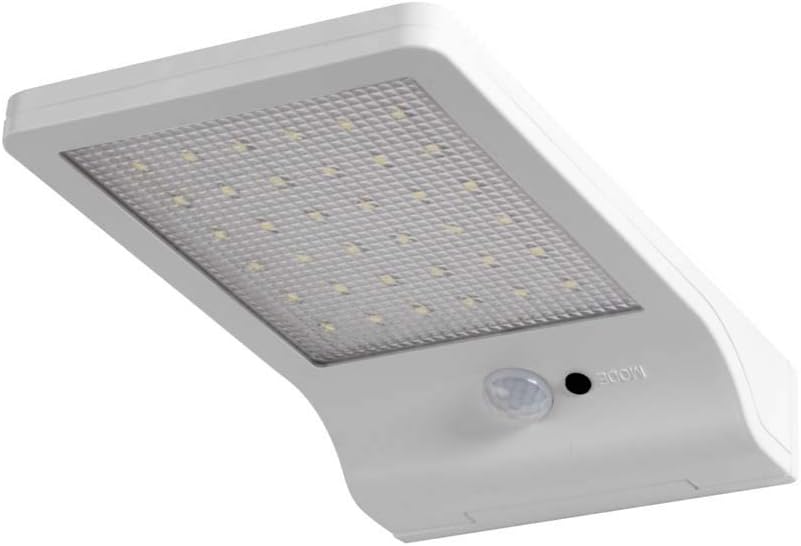
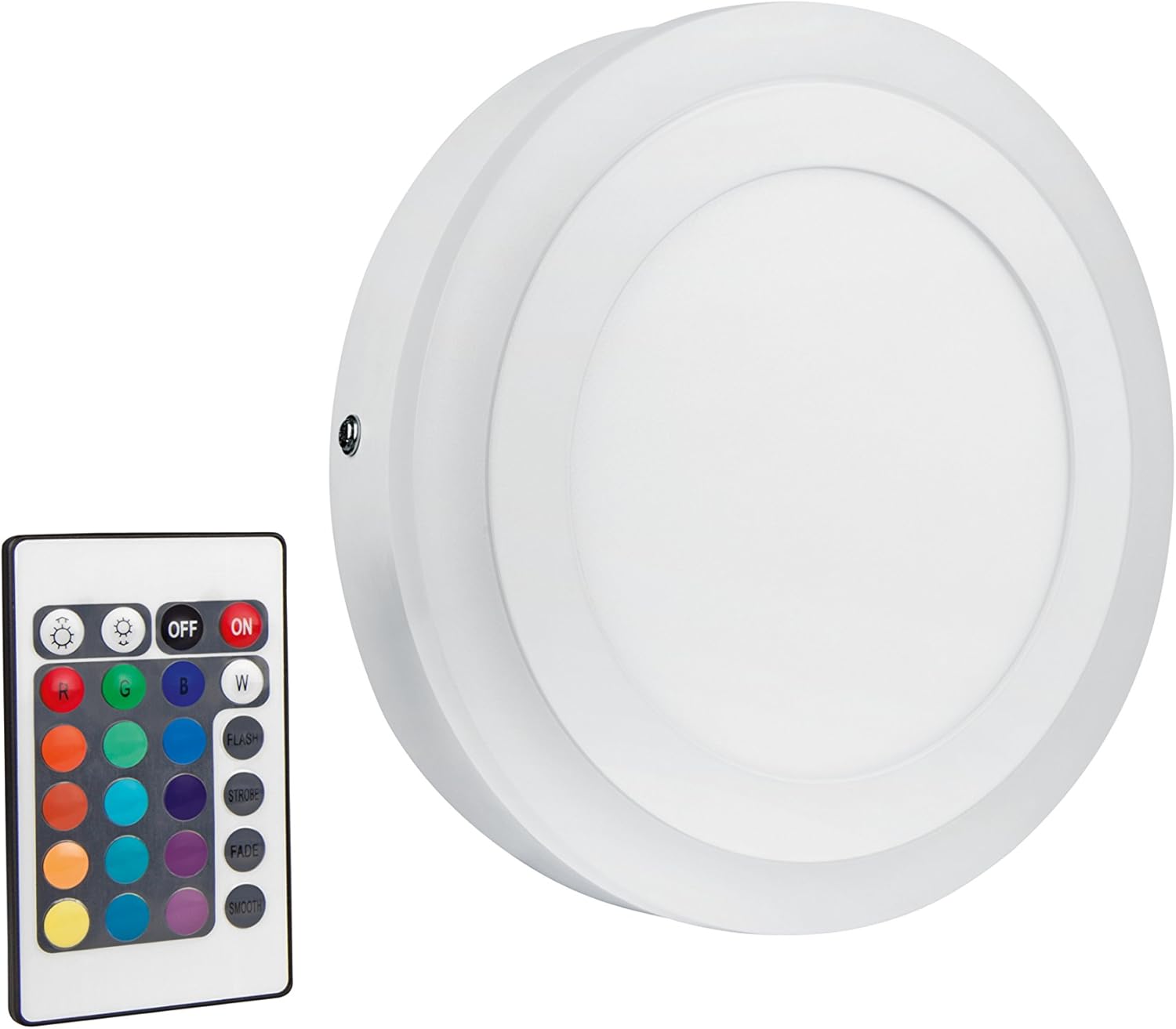

Relamping a building, or lighting a compound?
Volume orders are quoted, not listed. Send the schedule — or just the wattages and the quantities — and you get a written quotation the same working day, with bulk pricing applied and delivery to any of the seven emirates.
- Genuine OSRAM & LEDVANCE
- Ex-stock in the UAE
- Trade accounts welcome
- Project schedules priced
8 ranges in Bulbs & Lamps
Swipe to find yours, then open it for products, prices and drawings.
Which lamp do you actually need?
Four hundred and thirty lamps, and the words on them — Screw, Pin, Mini Screw, 830 — are trade shorthand. Start with what you are fitting it to, and the decoder below translates the rest.
How to read a lamp
Four things decide whether a lamp fits and looks right. The first is the only one that can be wrong in a way you cannot use — the cap has to match the holder already in the ceiling.
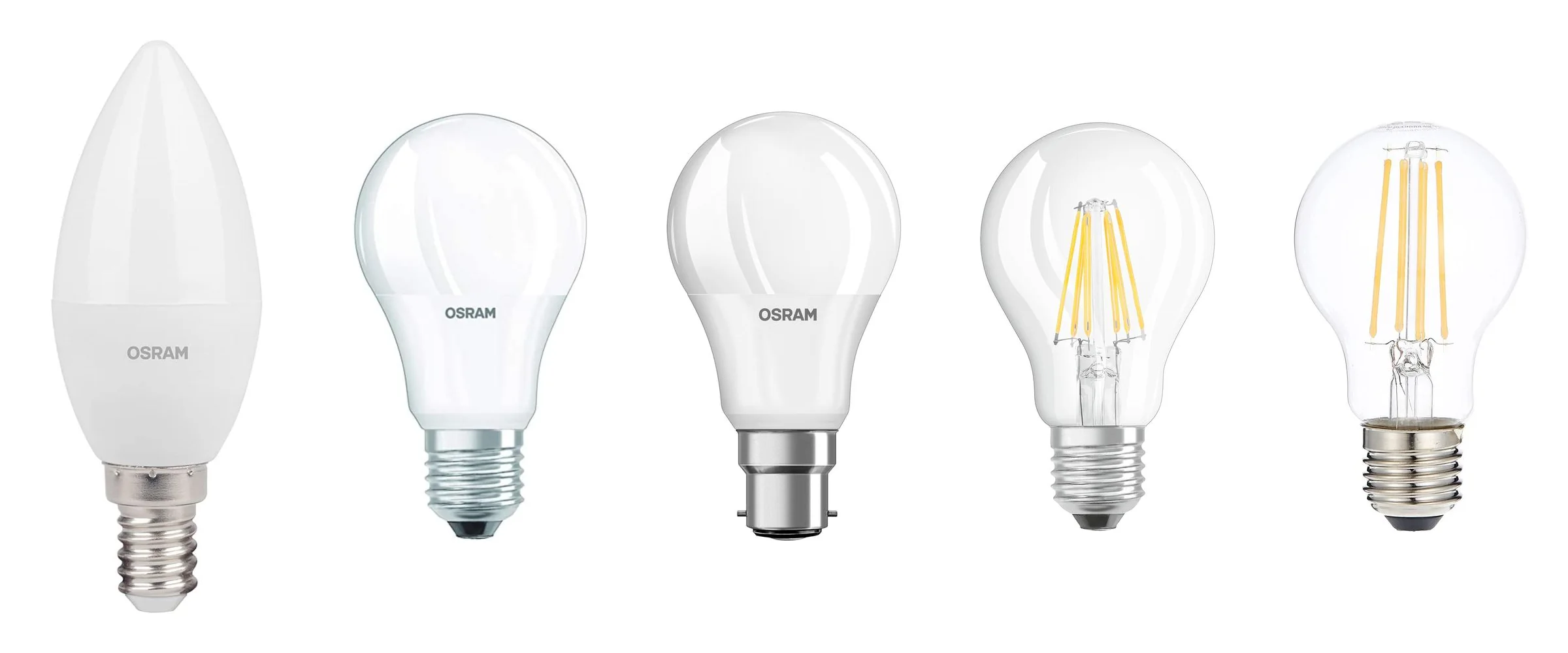
- Screw = E27
- The ordinary large screw fitting, 27 mm across the thread. Most household pendants and table lamps in the UAE.
- Mini Screw = E14
- The small screw fitting, 14 mm. Chandeliers, candle lamps, wall brackets and most appliance bulbs.
- Pin = B22 bayonet
- Two pins on the side — push in and twist a quarter turn. No thread. Common in older UAE and UK-wiring buildings.
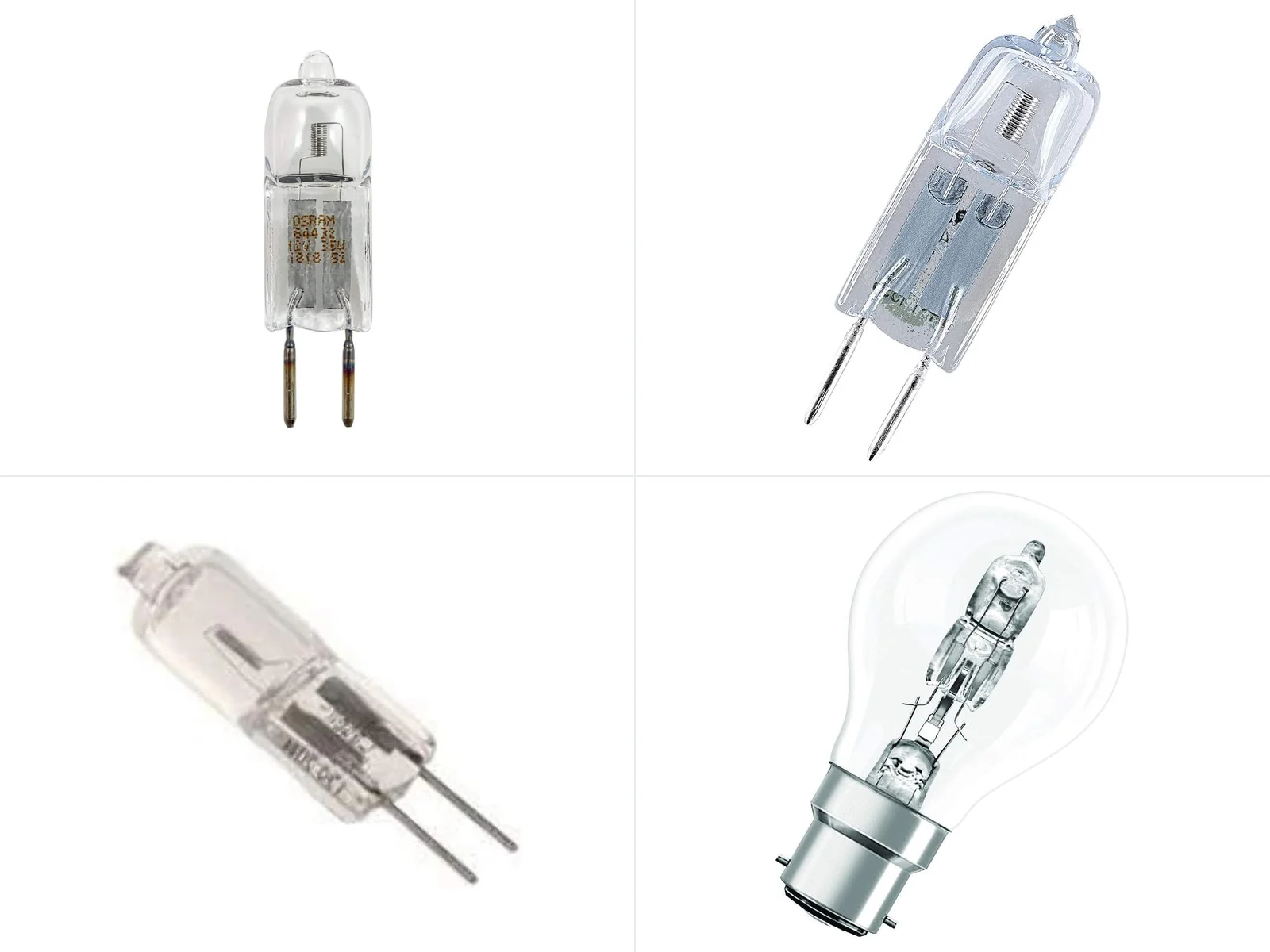
- GU10 / MR16 / GU5.3
- Twist-lock spotlight caps. GU10 runs on mains; MR16 on GU5.3 usually runs on 12 V through a transformer, so the two are not interchangeable.
- Warm White · Cool White · Day Light
- Roughly 2700–3000 K, 4000 K and 6500 K. Warm is yellow and domestic, cool is neutral and office-like, daylight is blue-white.
- 827 · 830 · 840 · 865
- Osram's own code. The first digit is the colour-rendering band (8 = CRI in the 80s); the last two are the colour temperature in hundreds of kelvin — 827 is 2700 K, 865 is 6500 K.
Before you order. If you are replacing a bulb, take the old one with you or photograph its base. The cap is the one detail that cannot be worked out from the fitting once the lamp is out.
Bulbs you screw or push in
Replacing a lamp in a fitting that is already there.
Fittings and fixtures
The unit itself — spots, tubes, battens and ceiling fittings.
Or start with a brand
OSRAM and LEDVANCE are the same lamp business — OSRAM is the lamp brand, LEDVANCE the company that makes it.
Lighting buying guide
What each family of lamp is for, how the wattages compare to the bulbs they replace, and the mistakes that send people back to the shop. Pick a group above to narrow this down.
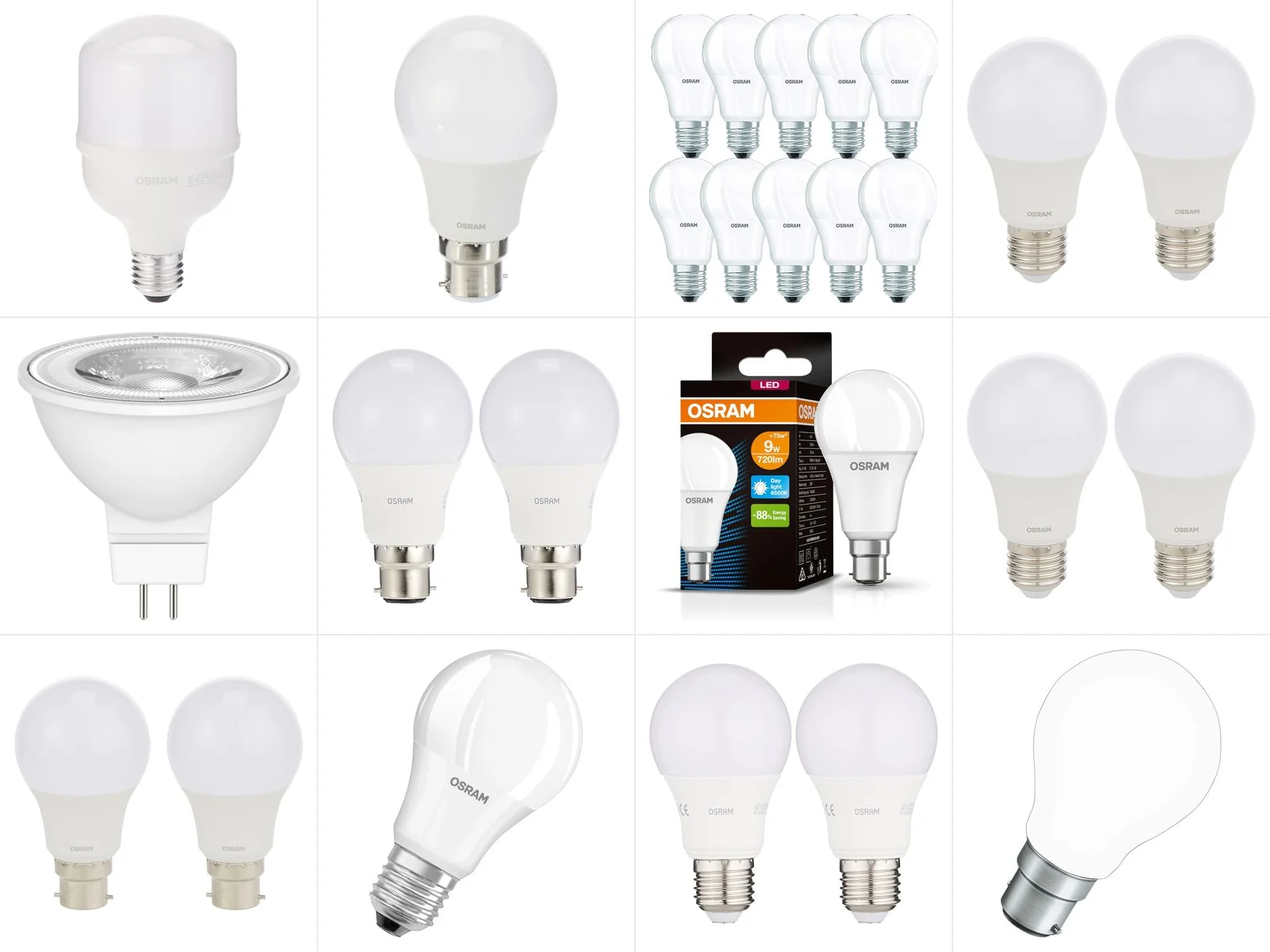
Which standard household bulbs product do you need?
Two numbers matter and only one is on the old bulb: the watts it draws, and the lumens it gives out.
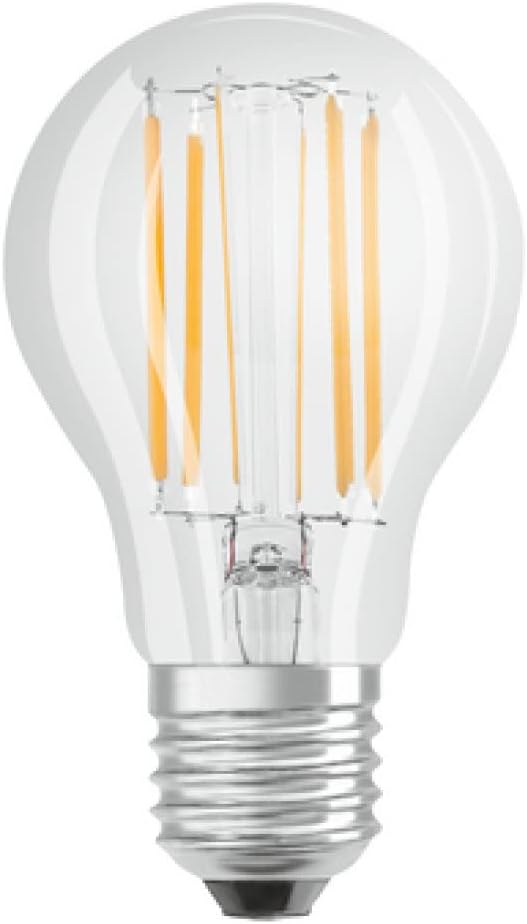
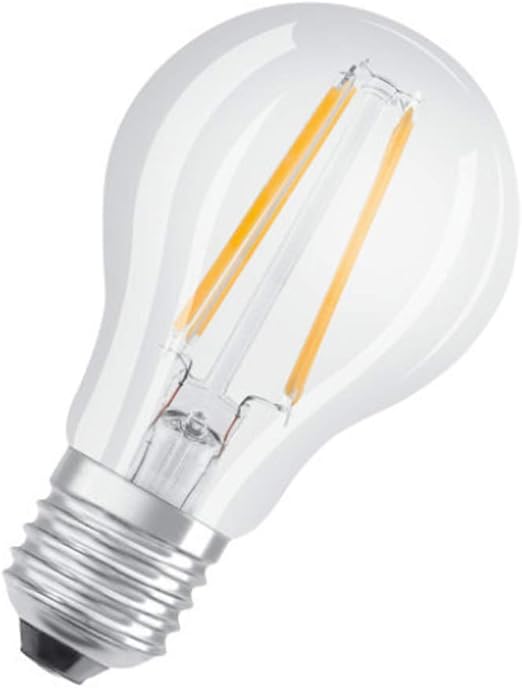
- Classic A / CLA / GLS
- The standard pear-shaped bulb. The default replacement for almost any household fitting.
- Stick lamp
- A slim vertical LED. Fits where a round bulb fouls a narrow shade.
- Frosted vs clear
- Frosted diffuses and hides the diodes — better for open fittings. Clear is brighter and shows the filament.
- Dimmable
- Only lamps marked dimmable may go on a dimmer. A standard LED on a dimmer flickers or buzzes.
- The number in Classic A 60, A 75 and A 90 is the old incandescent wattage the lamp replaces, not its own consumption — a “Classic A 75” LED draws about 10 W. — OSRAM/LEDVANCE Classic A naming, cross-checked against the wattages in this range
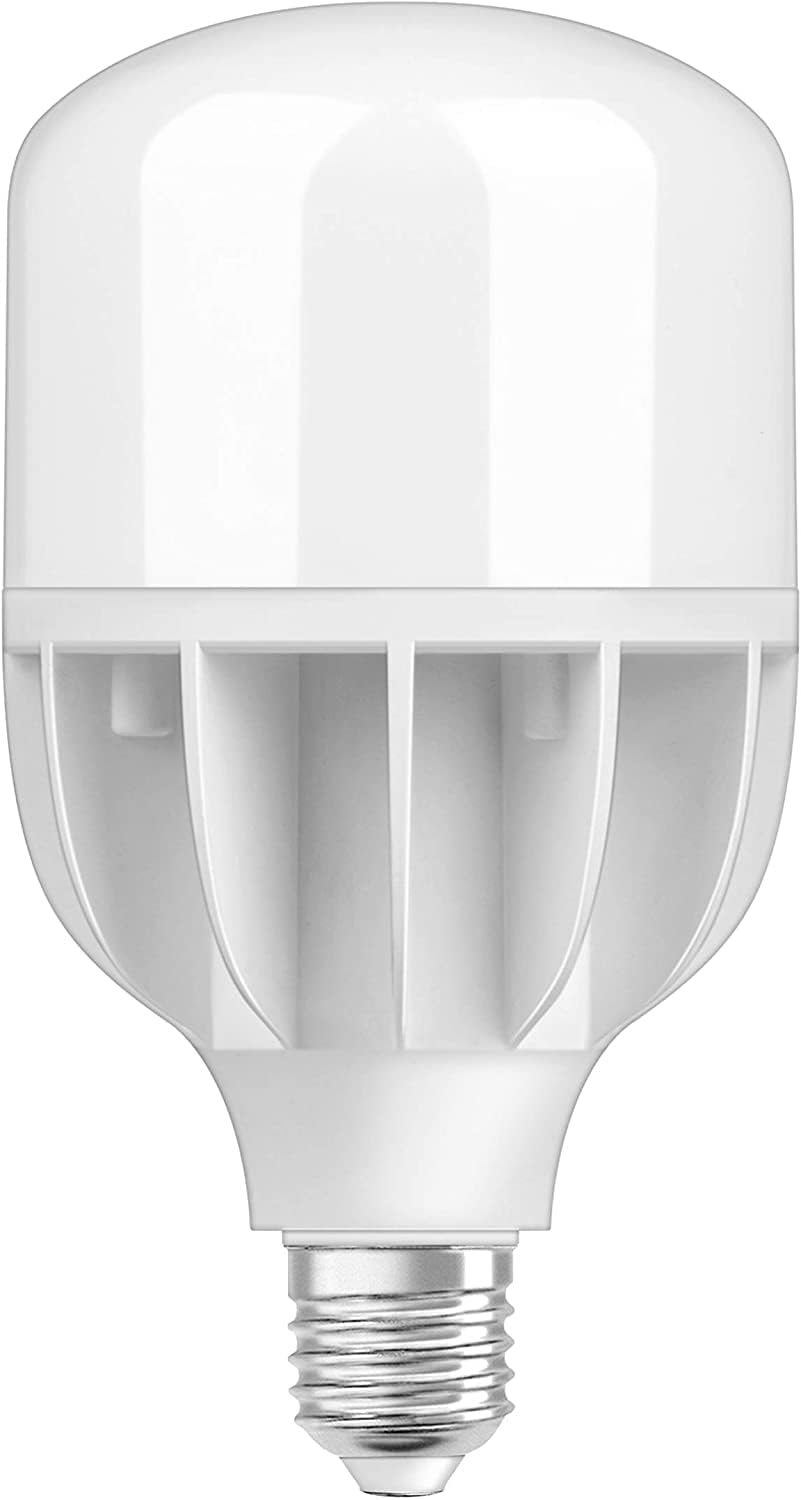
- In this range the equivalents run roughly: A 60 at 8–9 W, A 75 at 10–11 W, A 90 at 12 W, and Hi-Watt at 18 W. — Lion Yard stock list
Worth knowing. Buy on the shape and cap first, then the colour, then the wattage. A 9 W lamp with the wrong cap is not a cheaper option — it simply will not go in.
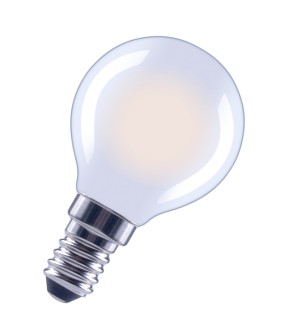
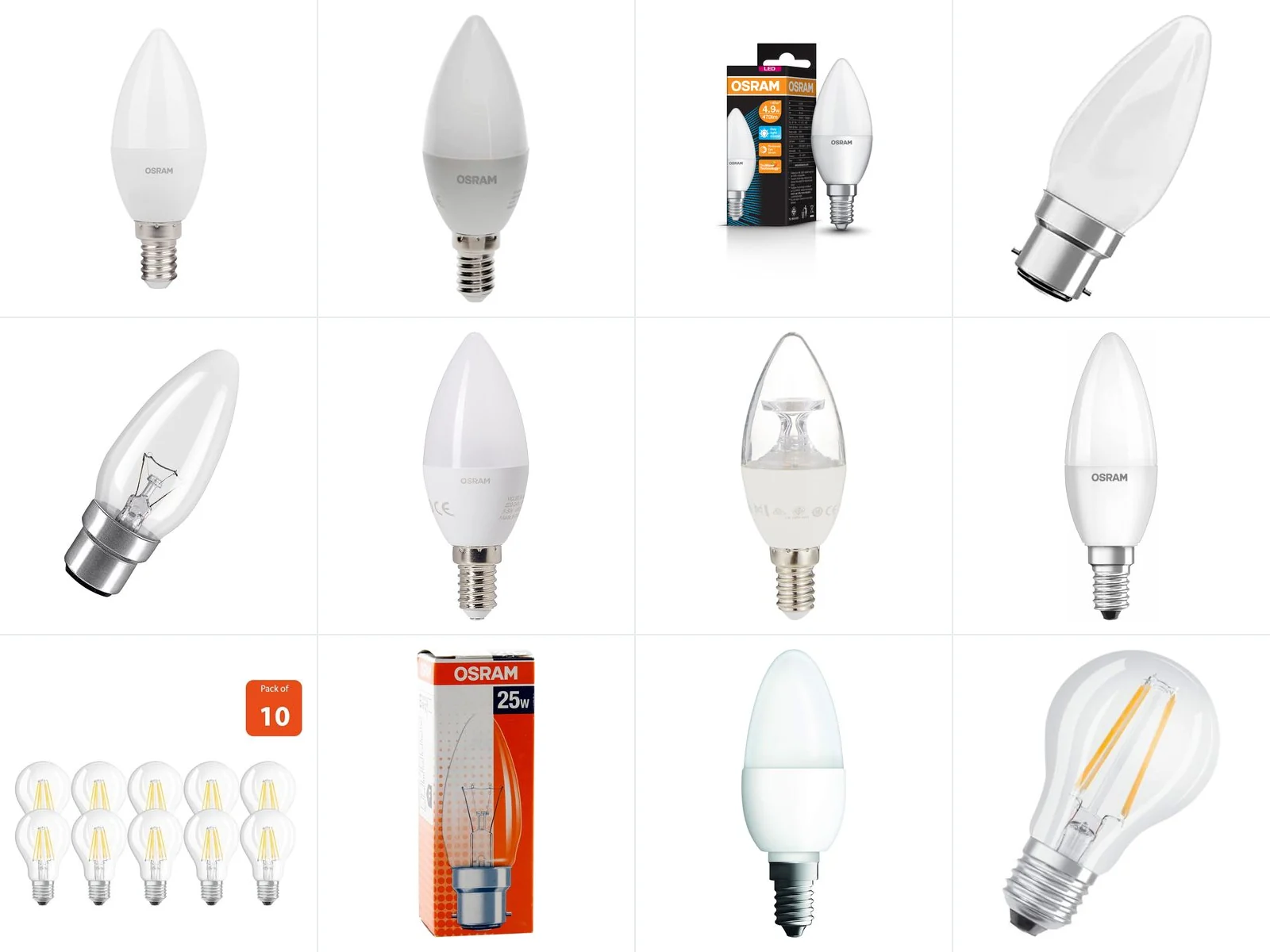
Which candle & golf ball product do you need?
Nearly all of these are the small screw cap, and a chandelier usually takes several at once.
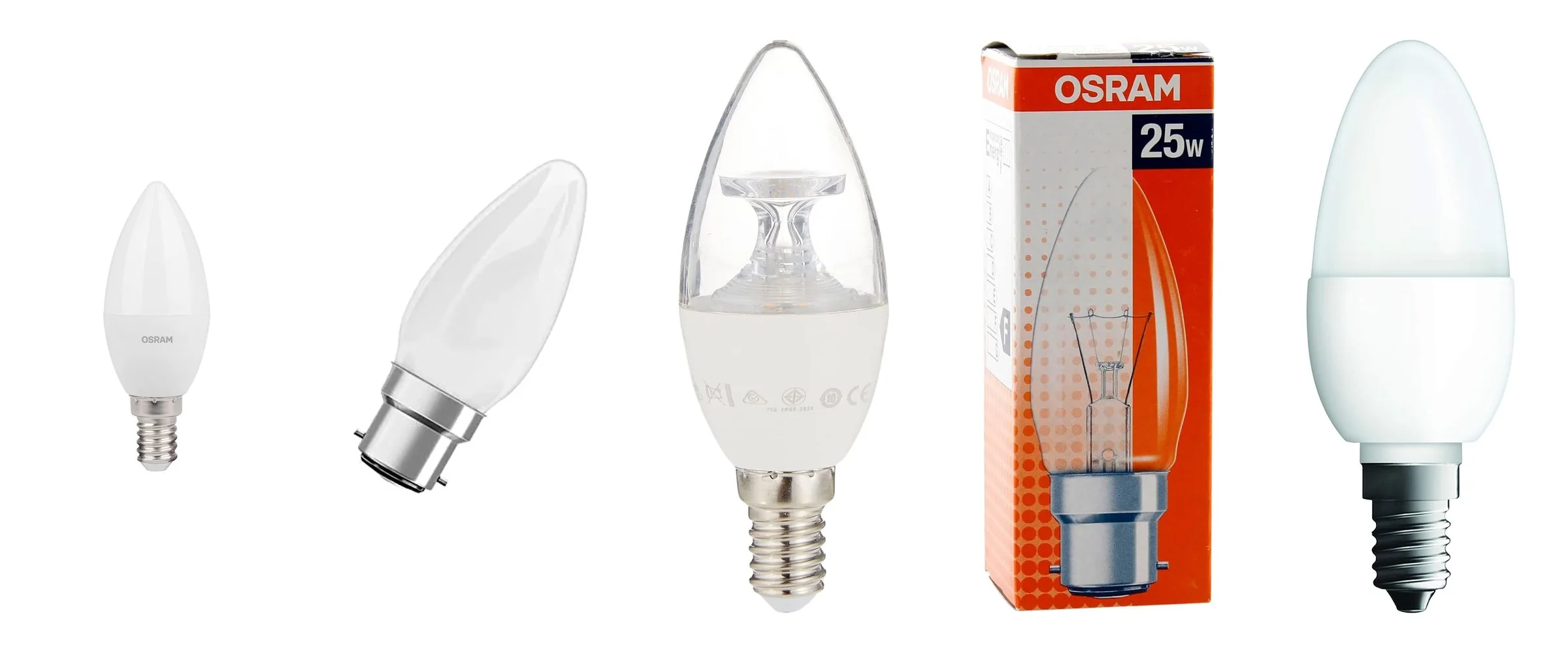
- Candle (CLB / B35)
- Pointed or plain tip. The usual chandelier and wall-bracket lamp.
- Golf ball (CLP / P45)
- Small round head. Often used where a candle would look too formal.
Worth knowing. Count the fitting before ordering. These sell in 3-packs because a chandelier takes five or six, and one odd lamp of a different colour temperature is obvious once lit.
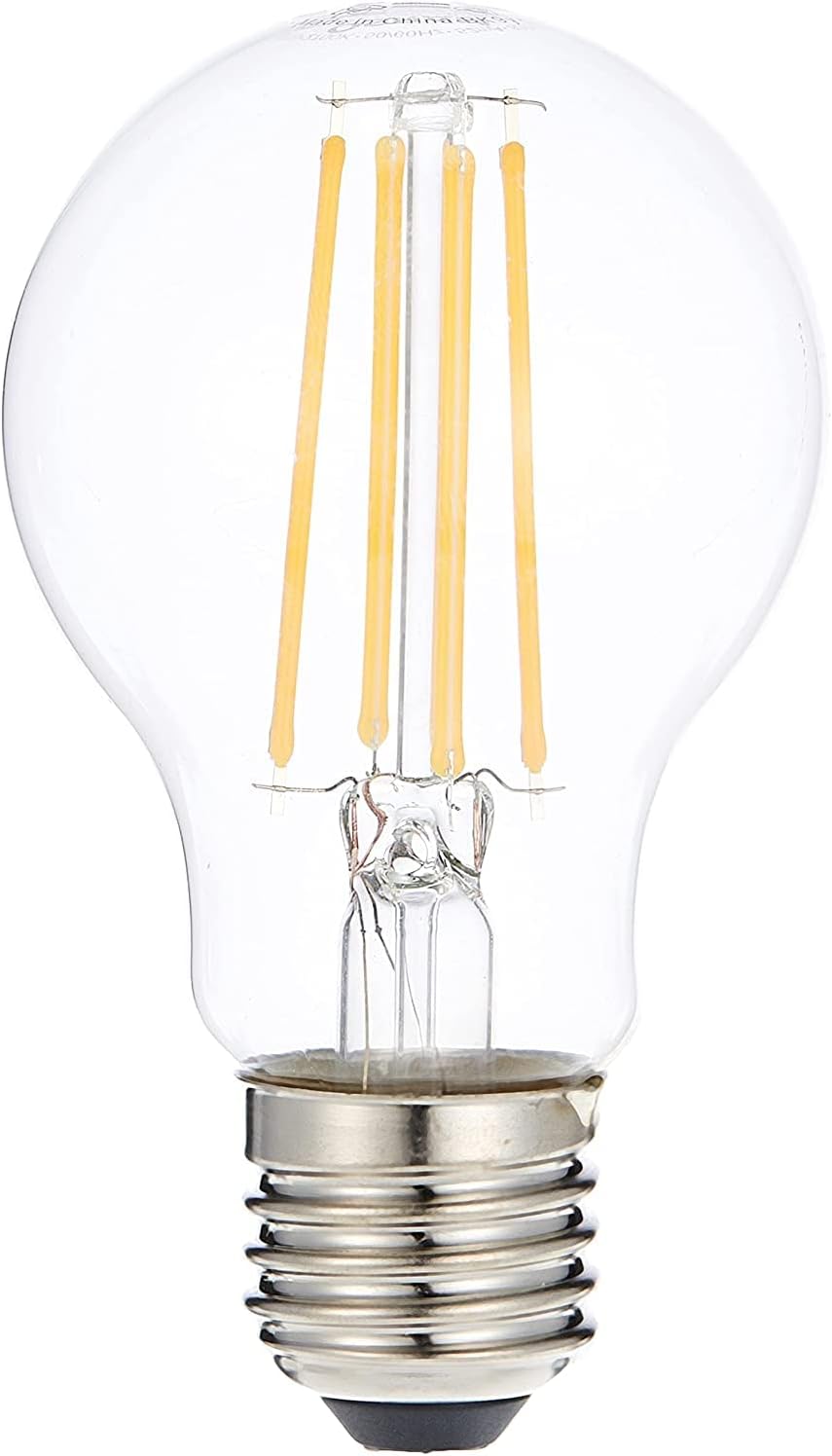
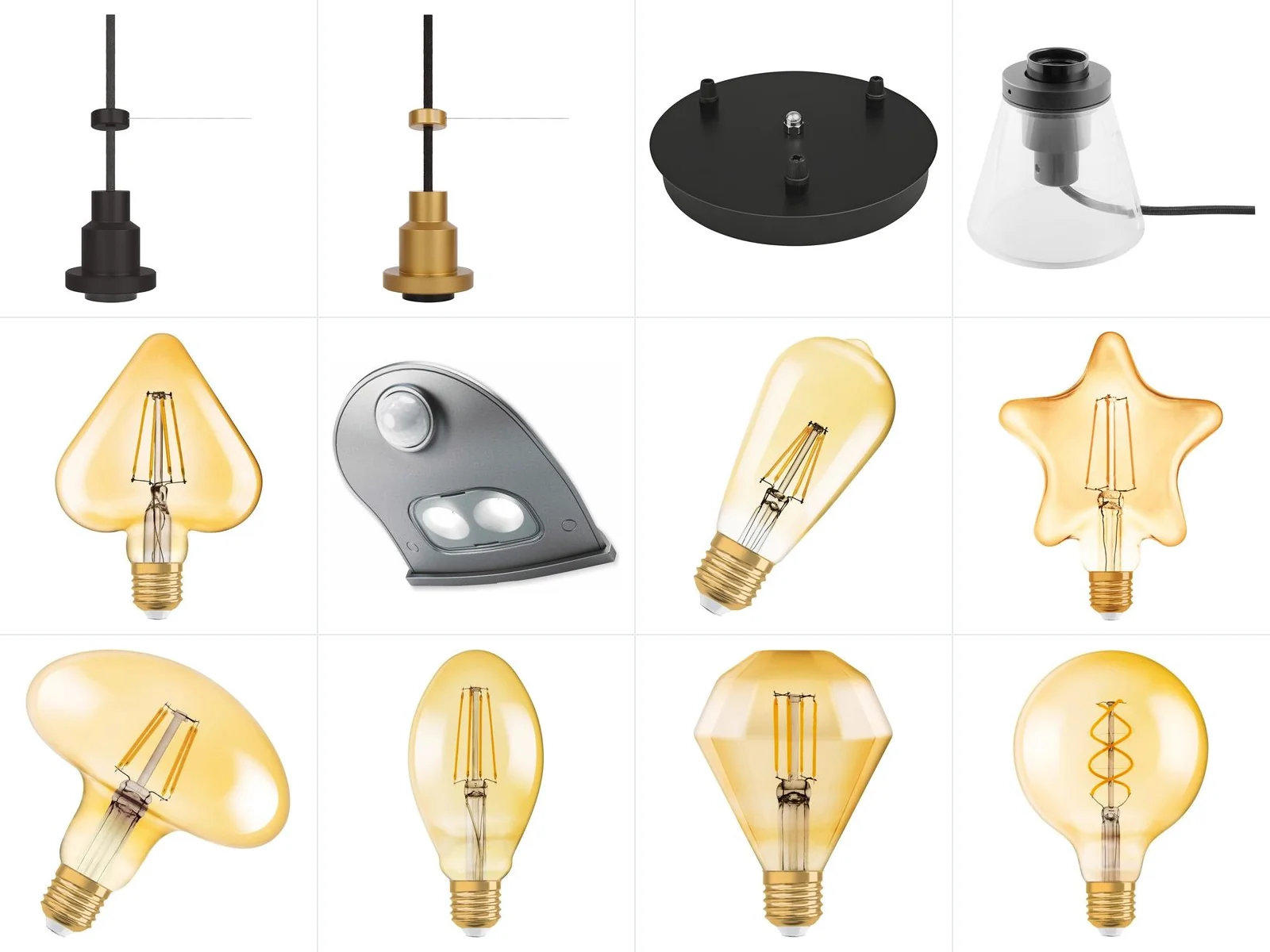
Which filament & vintage product do you need?
Here the lamp is part of what people see, so shape and clarity matter as much as output.
Worth knowing. Filament lamps are meant to be seen and are usually clear, which means the light is unshaded and can glare. In an open fitting at eye level, a frosted lamp is easier to sit under.
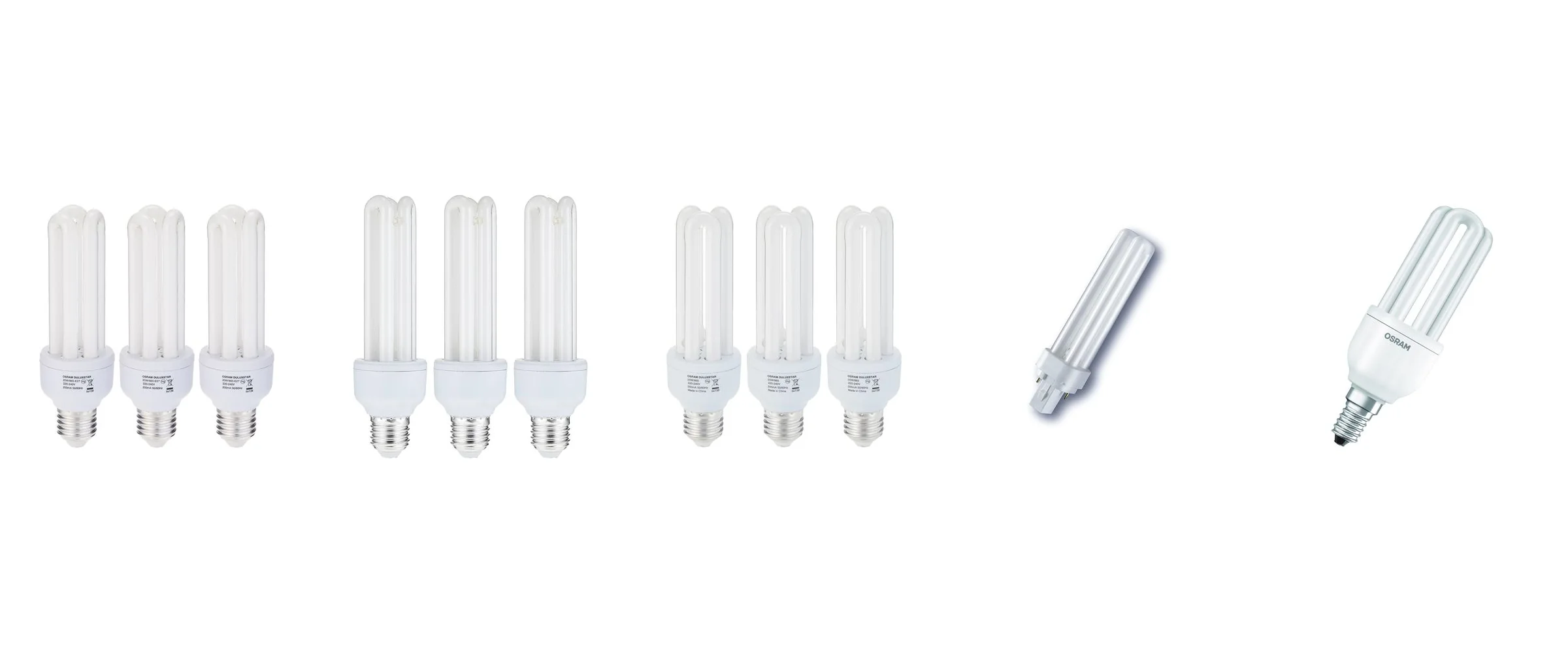
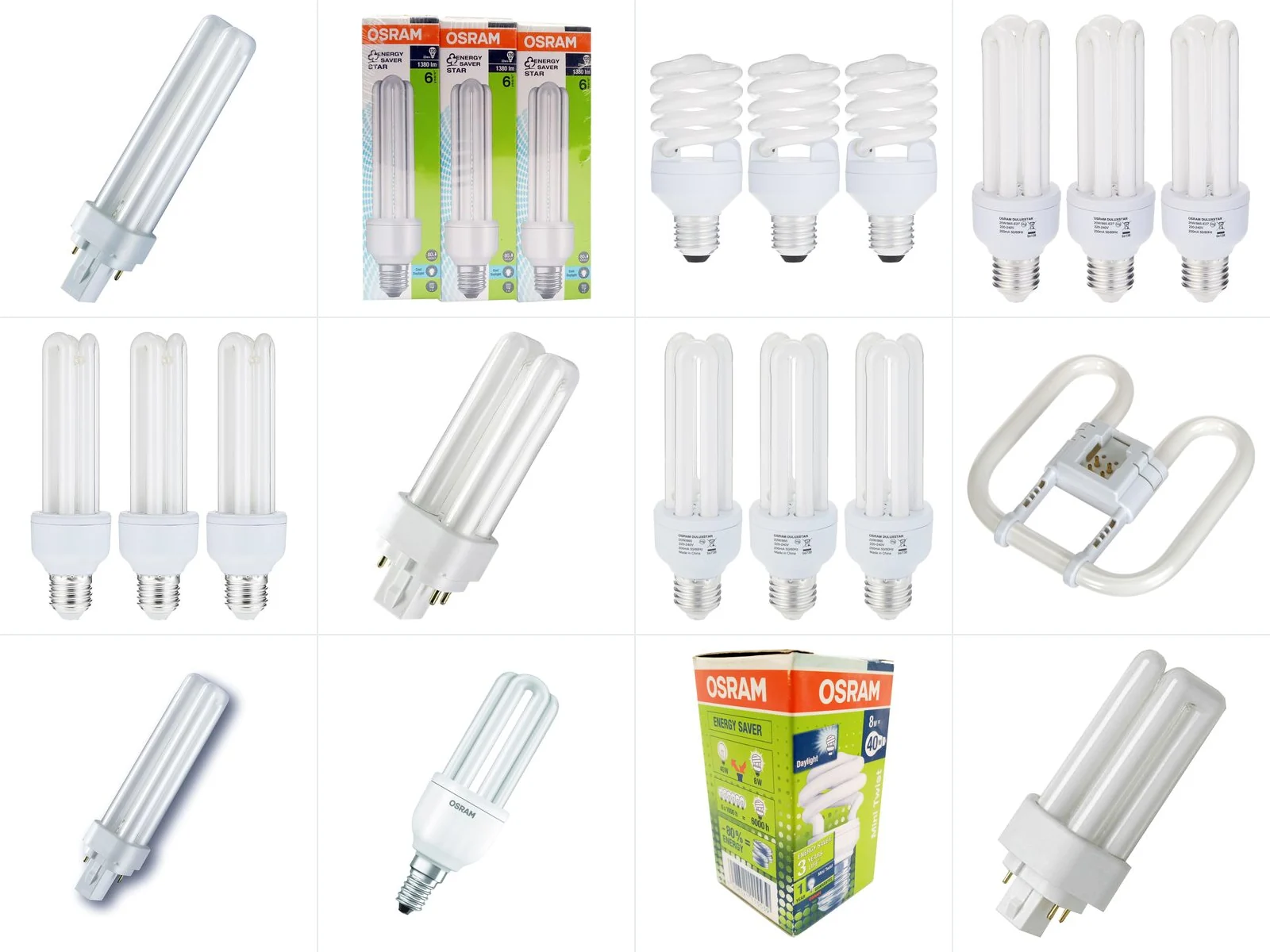
Which energy saver (cfl) product do you need?
The generation before LED, still stocked because a great many fittings in service still take them.
Worth knowing. A CFL takes a few seconds to reach full brightness and does not like being switched on and off constantly. Where a light is used in short bursts — a store cupboard, a bathroom — LED is the better replacement.
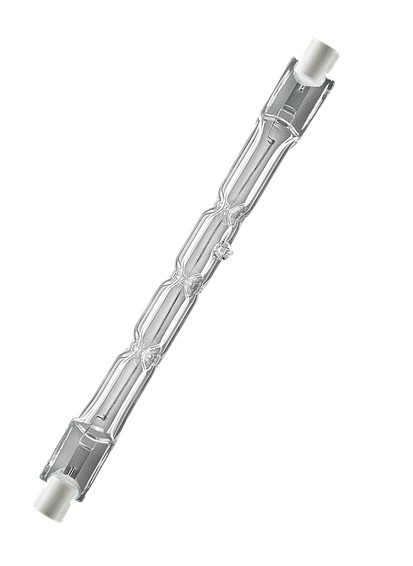
Which halogen & capsules product do you need?
Still the right answer in a few specific places, and the wrong one nearly everywhere else.
- Capsule (G9, G4)
- Small halogen capsules for cooker hoods, mirrors and display fittings.
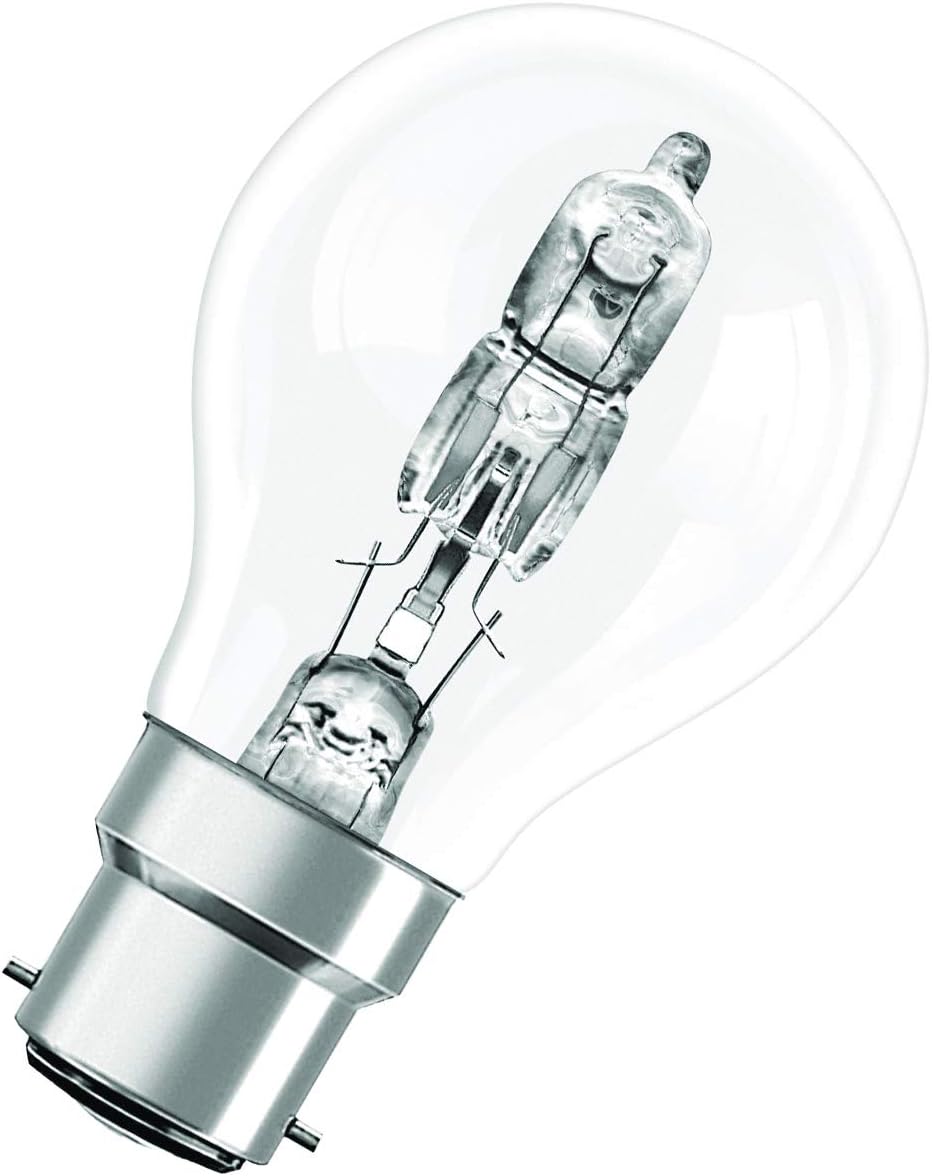
- Halopin / Halostar
- Compact mains and low-voltage halogen for enclosed fittings.
- Eco Classic
- A halogen in a familiar bulb shape, for fittings that will not run LED.
Worth knowing. Halogen runs hot and is the reason it survives in ovens and some enclosed fittings where an LED would overheat. Where heat is not the point, an LED of the same brightness uses a fraction of the power.
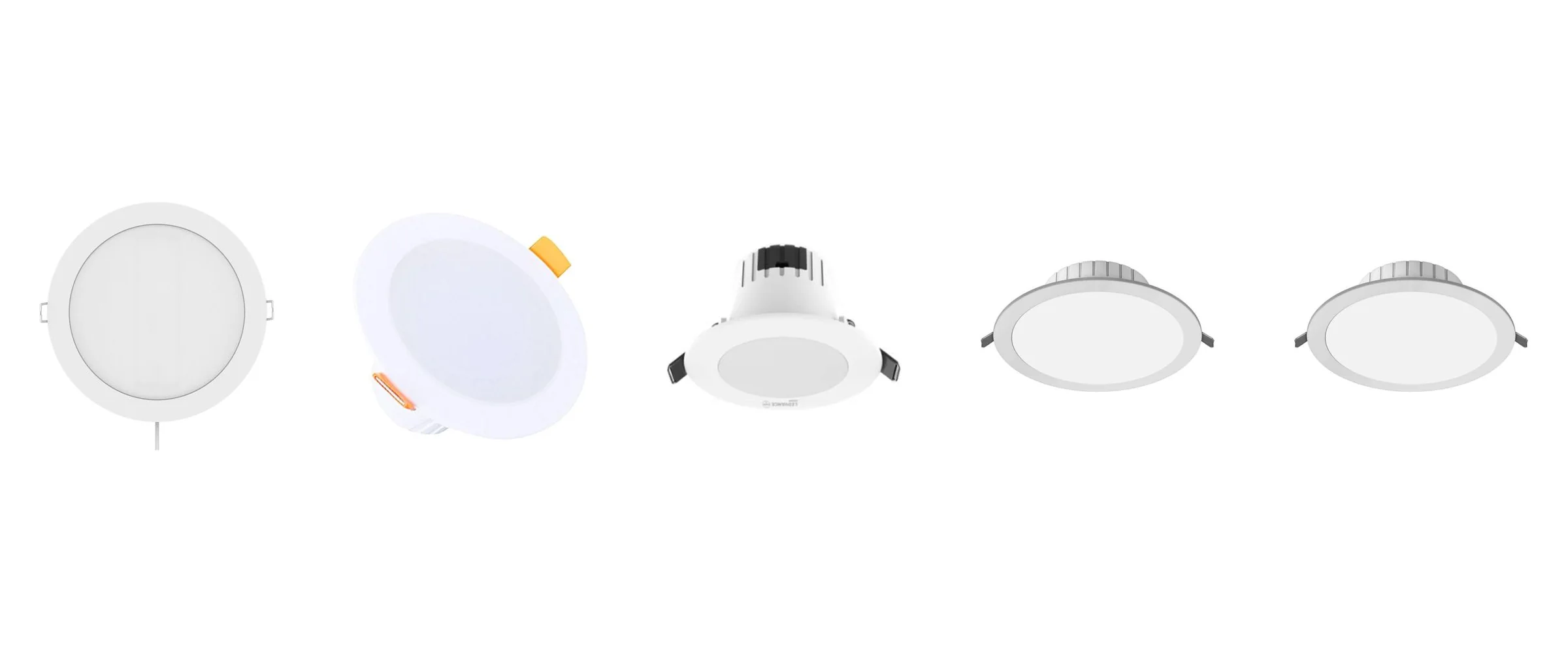
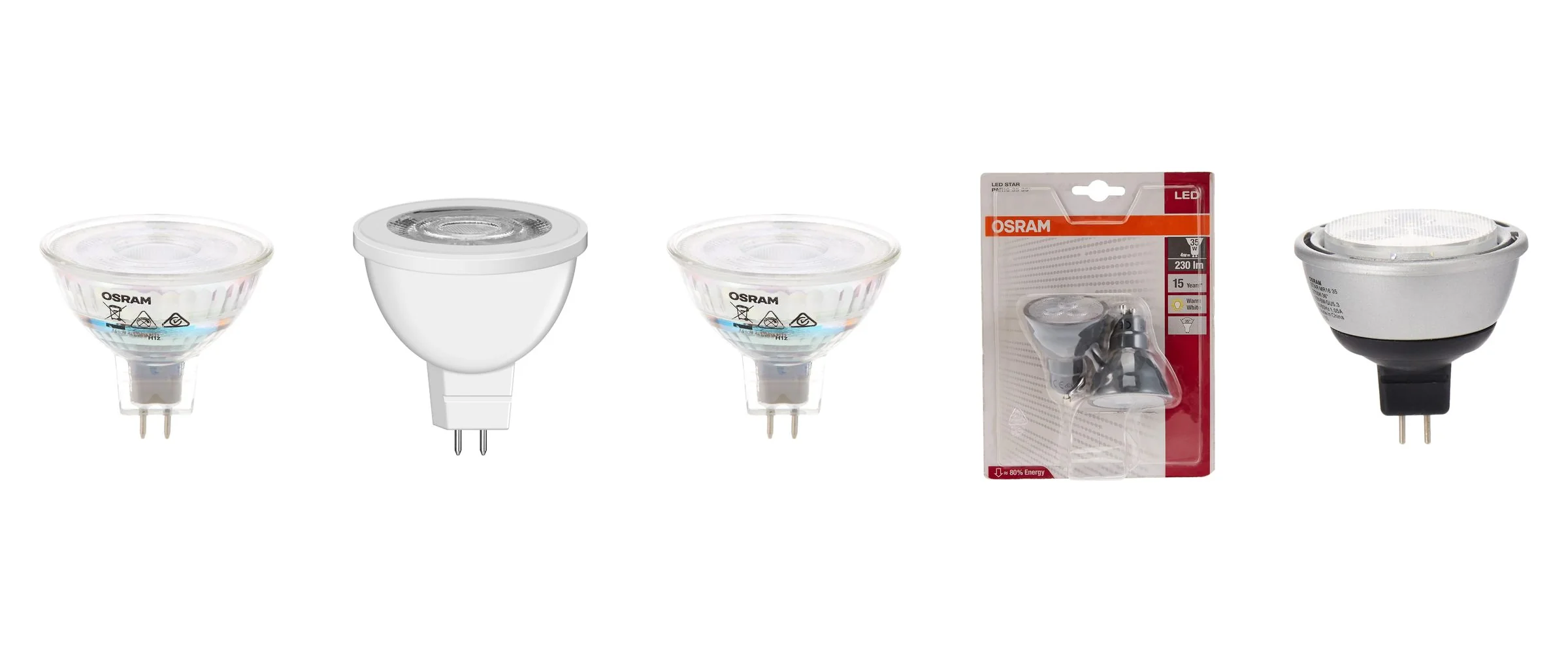
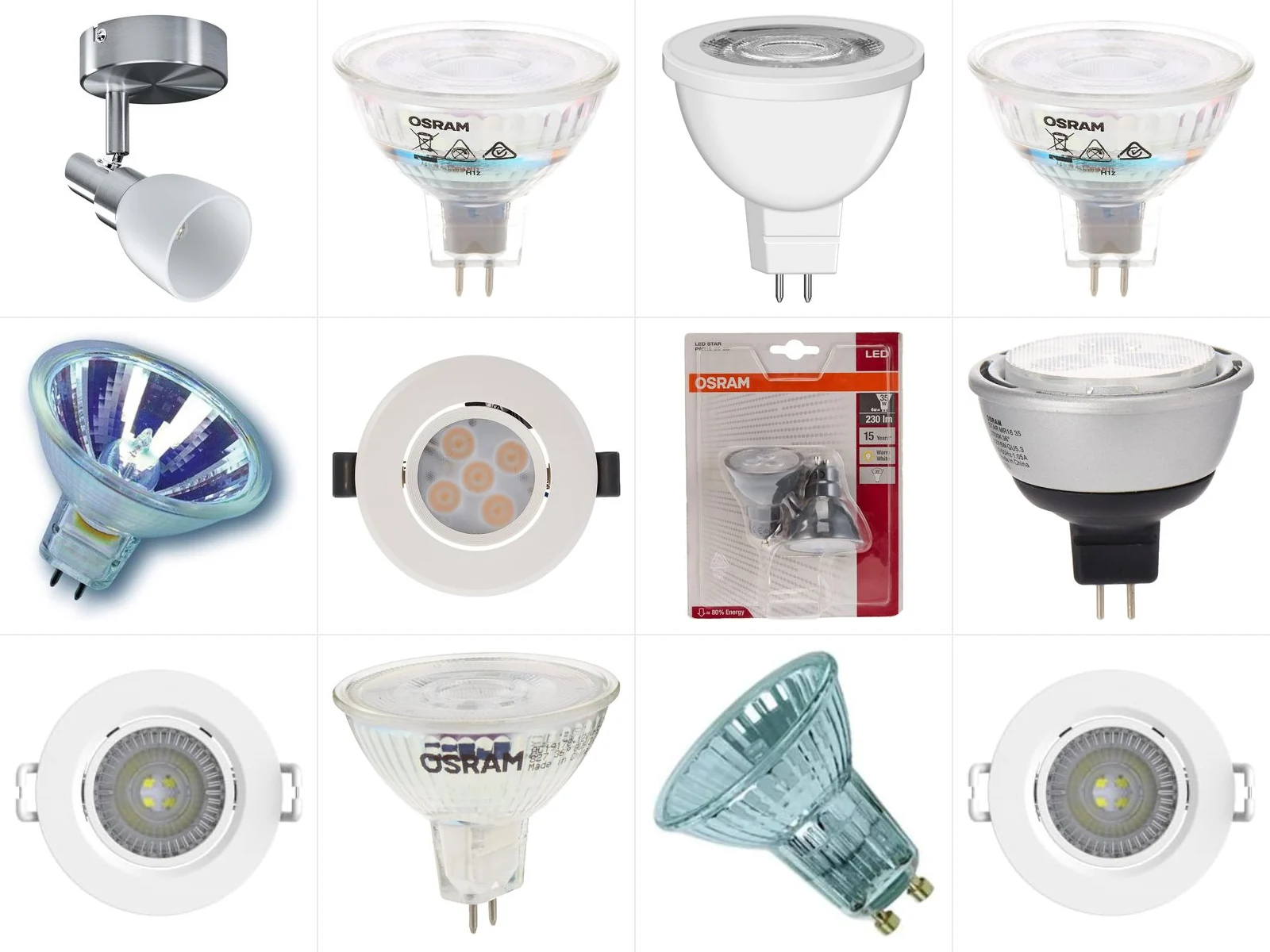
Which spots & downlights product do you need?
The one genuine trap in lighting: two spotlight caps that look similar and run on different voltages.
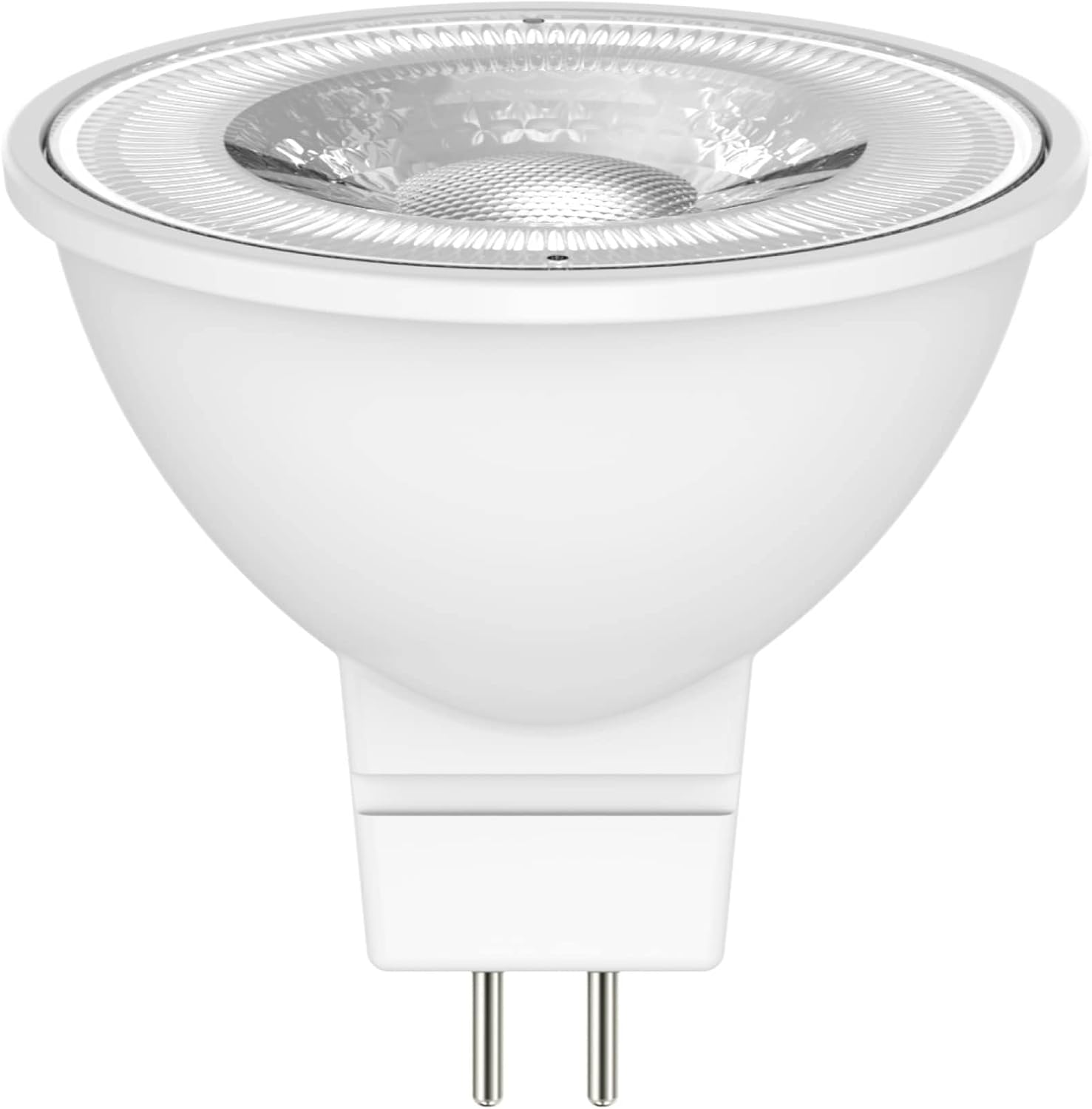
- GU10
- Mains voltage, twist-lock. Fat two-pin base. Fits straight to the ceiling wiring.
- MR16 on GU5.3
- Usually 12 V through a transformer. Thin two-pin base. Will not work on a GU10 holder.
- Beam angle
- A narrow beam (around 36°) pools light for display; a wide beam spreads it for general cover.
Worth knowing. GU10 and GU5.3 are not interchangeable even though both twist in. If an MR16 is fitted where the ceiling is wired for mains, it will fail immediately — check the pins and whether there is a transformer above the ceiling.
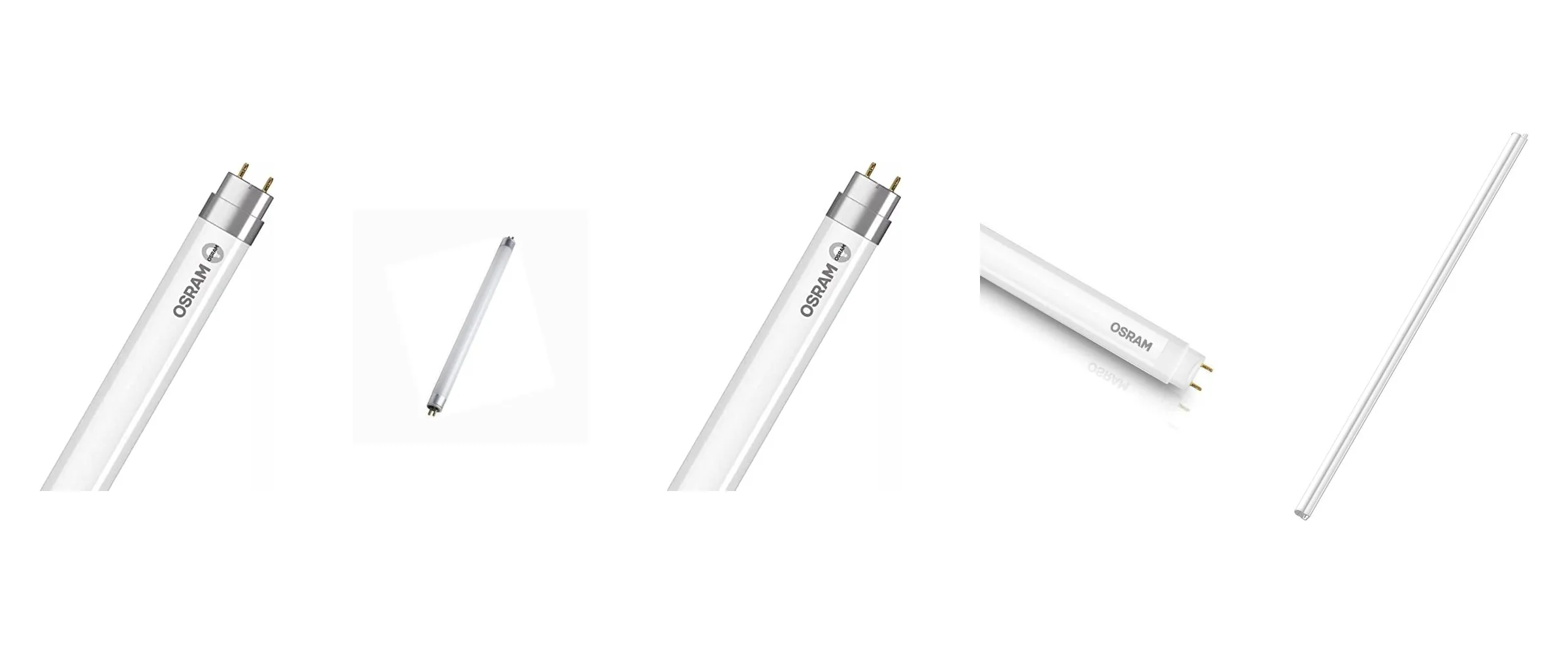
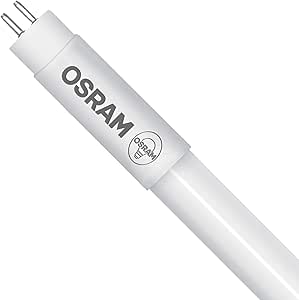
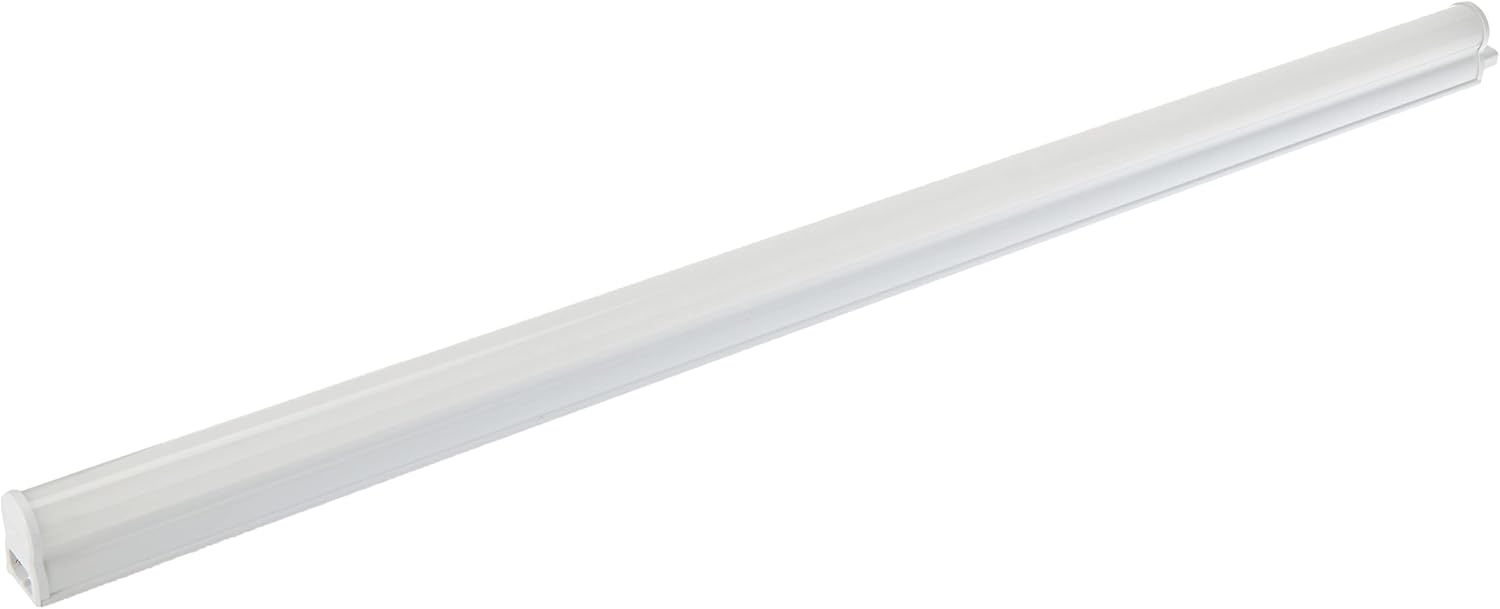
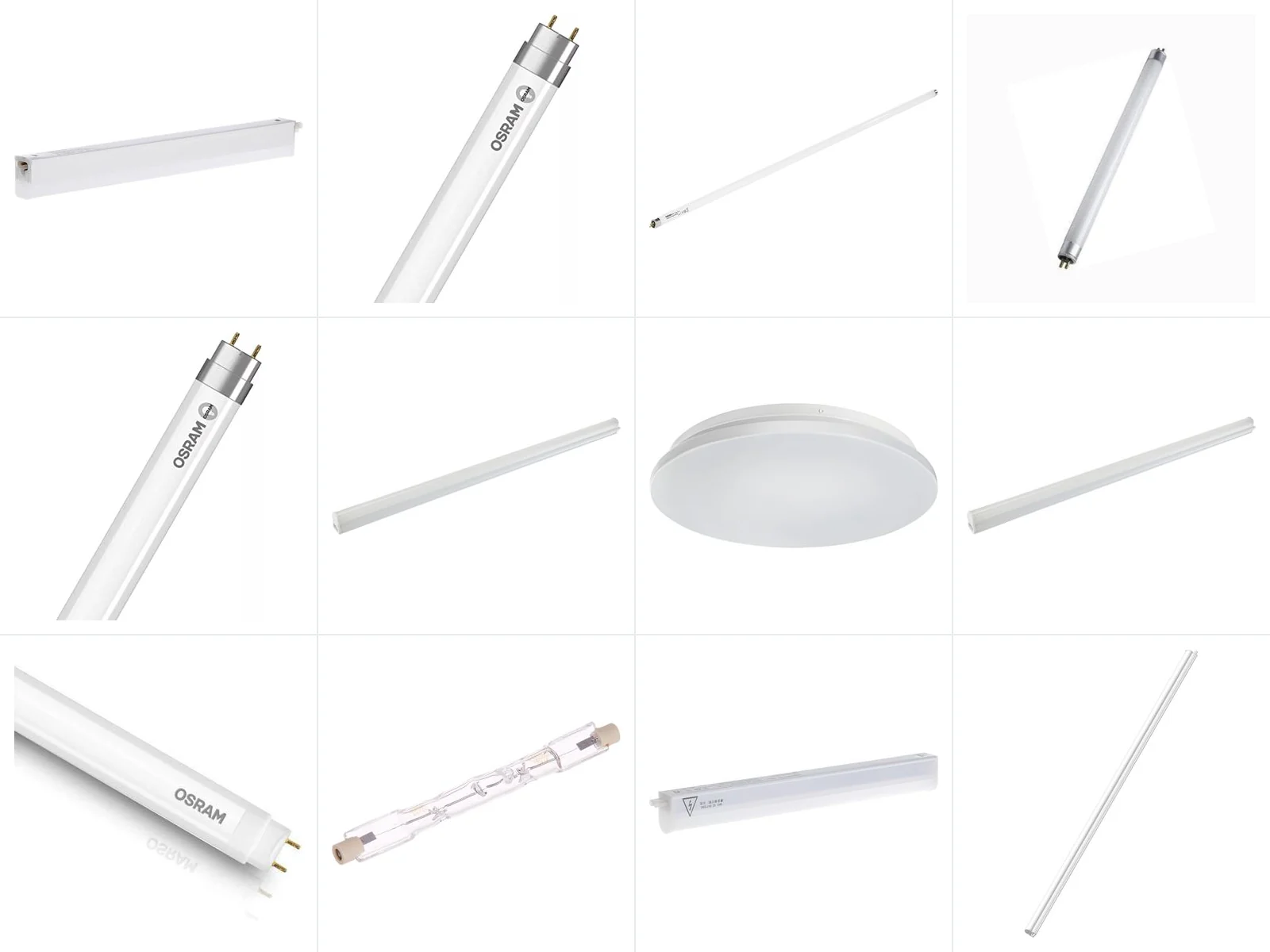
Which tubes & battens product do you need?
A tube and a batten are different purchases: one is the lamp, the other is the whole fitting.
- LED tube
- Replaces the fluorescent tube in a fitting you are keeping.
- Batten fitting
- The complete unit, lamp and body together. Simpler than converting an old fluorescent fitting.
- T8 and T5
- Tube diameters — T8 is 26 mm, T5 is 16 mm. They are not interchangeable.
Worth knowing. Retrofitting an LED tube into an old fluorescent fitting often means removing or bypassing the starter and ballast. If that is not going to happen on site, buy the batten rather than the tube.
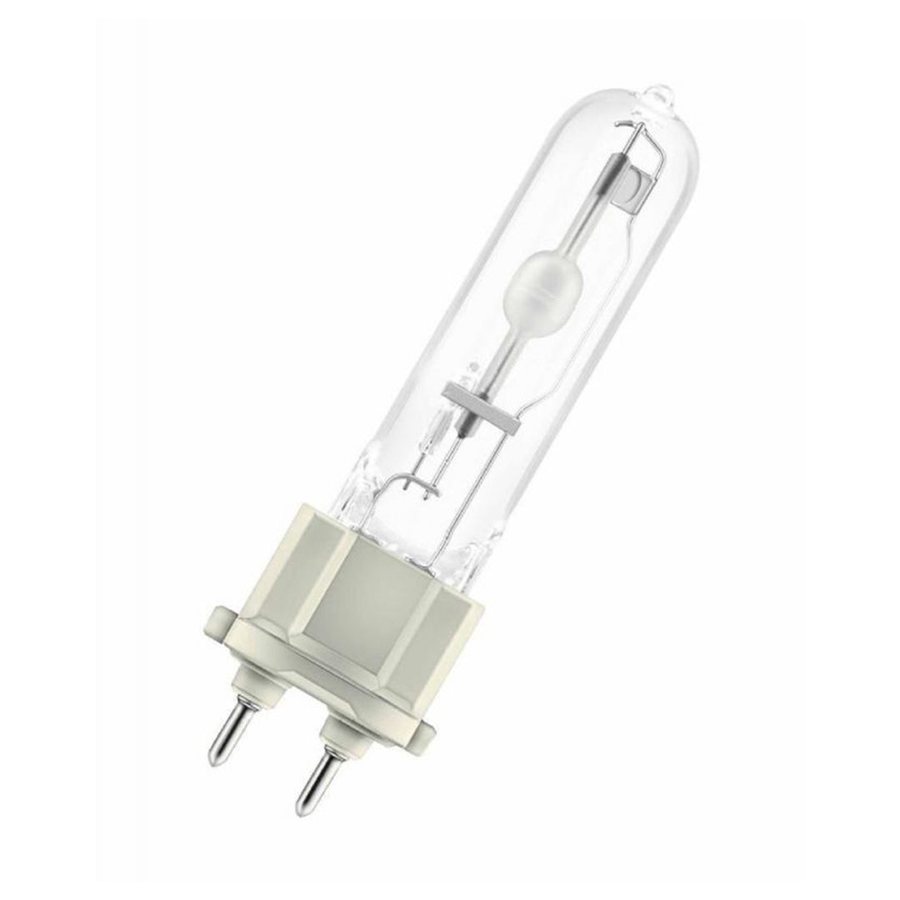
Which hid — metal halide & sodium product do you need?
These are the only lamps here you cannot simply screw in and switch on. Each one runs on a ballast and an igniter matched to its type and wattage, and the fitting already has them — so the lamp has to match the gear, not just the socket.
- Ceramic metal halide — HCI, Powerball
- White light with good colour rendering, for retail, display and high bay. The ceramic arc tube holds its colour far better over life than the older quartz type.
- Quartz metal halide — HQI, Powerstar
- The high-output workhorse, from 70 W up to 2000 W for stadium and port lighting. Cheaper per lumen than ceramic and less consistent in colour.
- High-pressure sodium — Vialox NAV, SON-T
- The orange street-lighting lamp. Very efficient and very long lived, with poor colour rendering — right where you need to see shapes rather than colours.
Worth knowing. The letter after the type is the shape and it decides whether the lamp fits: an E is an ellipsoidal outer bulb, a T is tubular, a TS is double-ended on an R7s or K12S base. A 70 W HQI-E and a 70 W HQI-TS are the same wattage and will not go in the same fitting. Take the old lamp or photograph its markings — and never replace a sodium lamp with a metal halide of the same wattage, because the ignitor and ballast are not interchangeable even where the cap is.
What you get with the price.
Stock on the ground
Same-day into Sharjah and the northern emirates for what is in the yard, one to three working days elsewhere.
New and refurbished
Both grades priced side by side on every line, so the budget decision is yours to make, not ours to steer.
Delivered and offloaded
Our own transport across all 7 Emirates, with crane or forklift offloading arranged and quoted before you commit.
Checked before it leaves
Refurbished units are cleaned, repaired and inspected in our own yard rather than shipped on as found.
Bulk and project supply
Send the full requirement rather than line by line — contractor and bulk rates are better than list.
Straight answers
If we cannot meet a specification or evidence a standard, we say so at enquiry stage rather than after the order.
Choosing site and building lighting
Most lighting is bought twice: once on price, and again when it fails or turns out to be the wrong colour. These are the four decisions that settle it - how much light, what colour, how it is protected, and what it screws into - and every one of them is answerable before you order.