


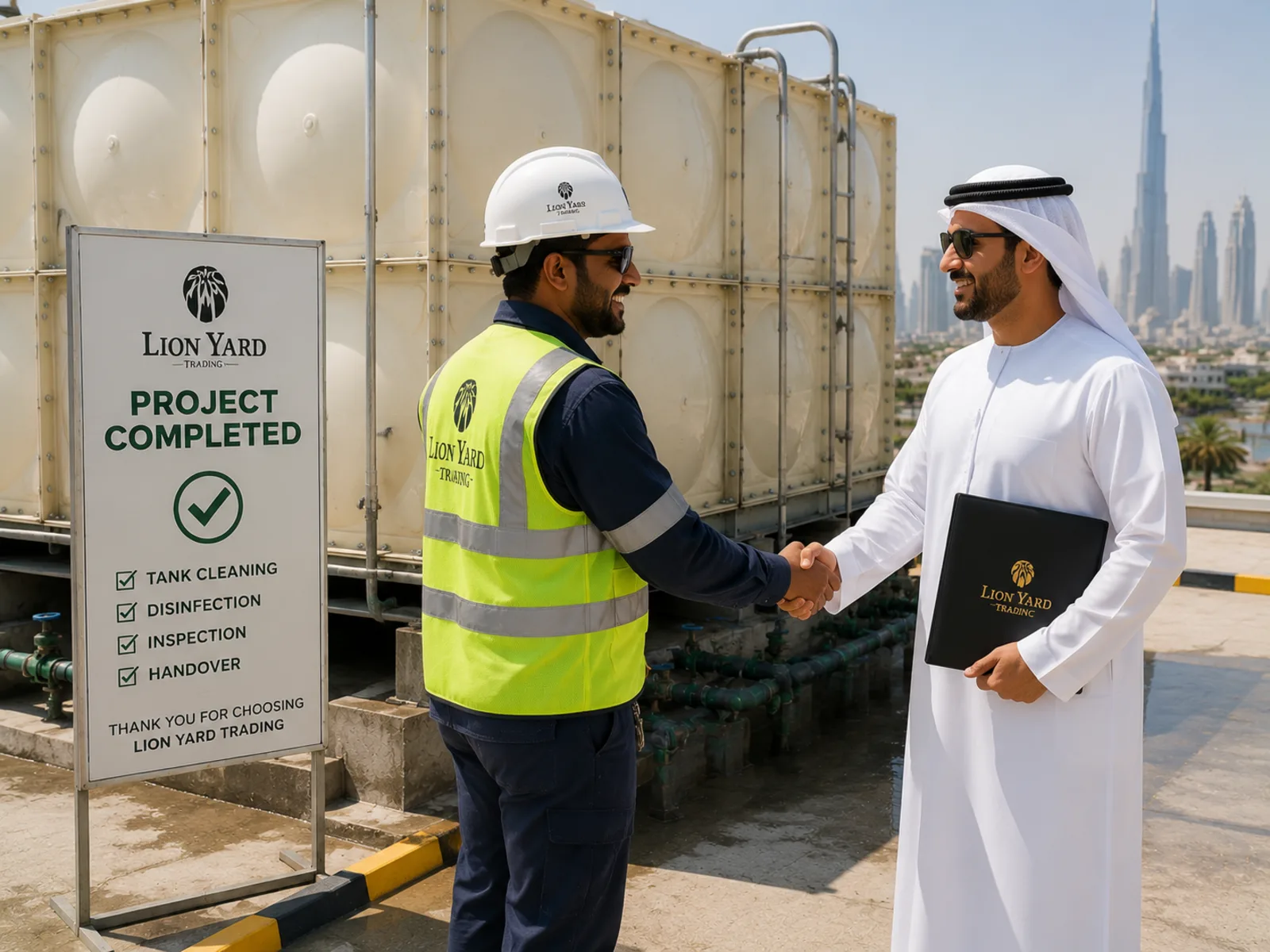

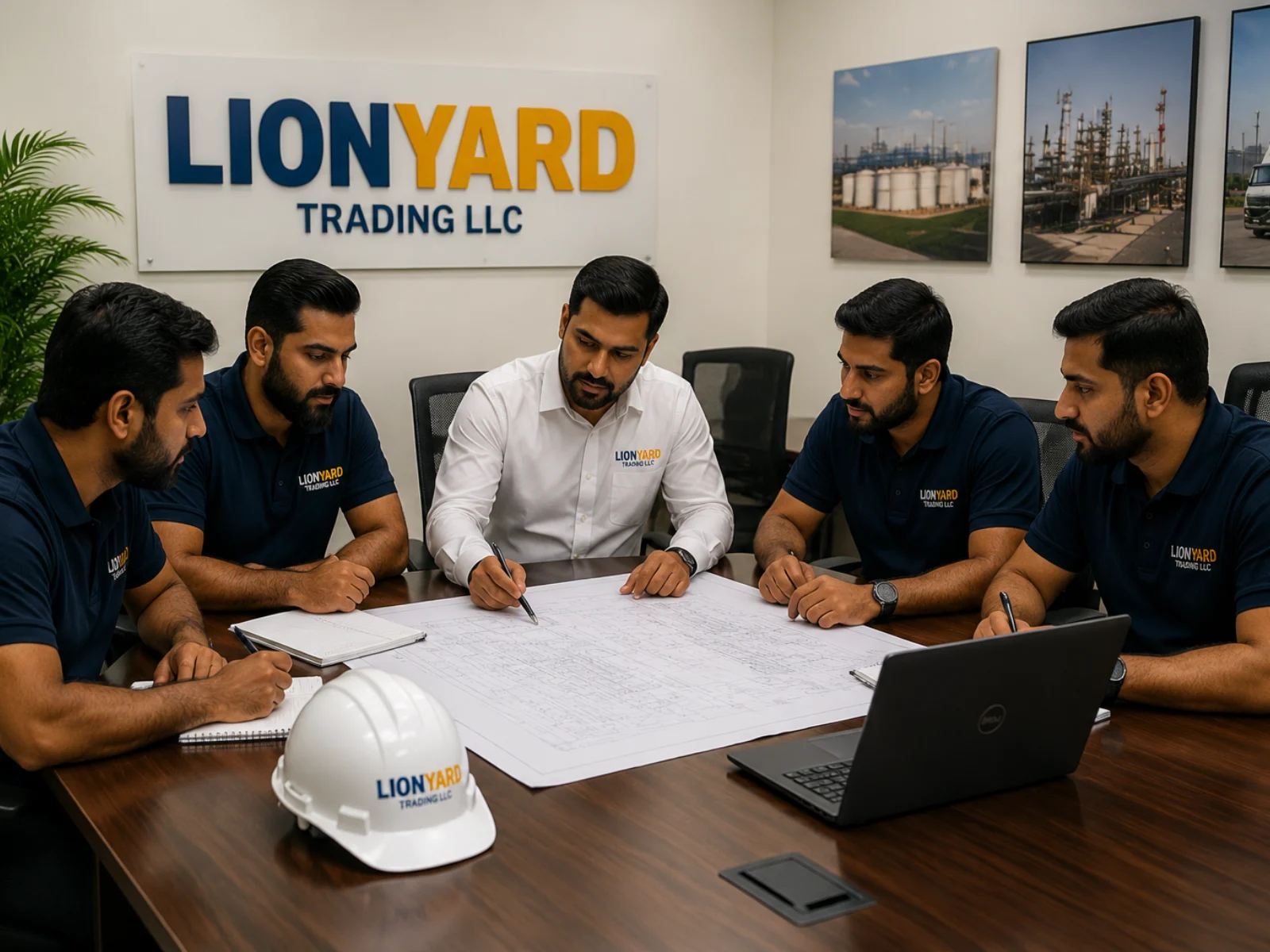
Completed inspection and compliance paperwork being handed over on site
Buying guide

Specifying site hoarding

The permit decides your height and your colour. Everything after that is a choice, and the one that costs most to get wrong is ordering panels without the blocks, posts and clamps that make them stand up.

Buying guide

Specifying site hoarding

The permit decides your height and your colour. Everything after that is a choice, and the one that costs most to get wrong is ordering panels without the blocks, posts and clamps that make them stand up.

Discontinuous or continuous

Two systems sit under the word hoarding and they are priced differently because they are built differently. Discontinuous — what the trade calls Shinko — is stocked panels standing in concrete blocks, sold per panel and reusable job to job. Continuous is a flat-faced wall fabricated to your boundary, sold per linear metre, with no gaps at the joints.

  • Panels are the default and the cheaper option, because they are stock and they come back to us at the end of the job. Choose them unless something forces otherwise.
  • Continuous is specified where the developer wants an unbroken surface, or where wind load on an exposed frontage needs thicker sheet than a stock panel carries.
  • PVC eco panels are lighter, need no repainting because the colour runs through the plank, and cut on site with a hand saw. They are not corrugated steel, so they do not satisfy DDA Circular 331.

Sheet gauge, and what it buys

Standard panels are 0.40 mm pre-painted galvanised sheet on the DSS 35/200 profile, eleven corrugations to a panel. Thicker sheet is available at 0.50 and 0.70 mm, and continuous walls run to 0.80 mm.

  • Gauge buys stiffness against wind and resistance to denting, not height. A taller panel in thin sheet is the wrong trade.
  • Above about 2.4 m, or on an exposed frontage with nothing upwind of it, move up a gauge rather than adding bracing later.
  • The frame and posts matter as much as the sheet — GI U-channel top and bottom, 42.3 mm posts at 2.2 m centres, and a diagonal brace back to a block on every post.

What a 100 metre run actually needs

The panel count is the part everyone gets right and the fixings are the part that gets left off the order. These are straight arithmetic from the dimensions in the tables above, for a run with no gates and no corners.

SystemPer 100 m of run
Corrugated GI panels46 panels at 2.2 m post centres, 47 posts, 47 foundation blocks, 47 braces
PVC eco panels200 planks at 0.50 m wide — 2 per metre of run
Heras mesh panels29 panels at 3.5 m, 30 block feet, 29 coupler clamps

Add a panel and a post at every corner and either side of every gate opening. Gates are separate — every enclosed plot needs at least one, and Abu Dhabi caps a site entrance at under 5 m wide.

Branding is prohibited in DDA zones, not required

DDA Circular 331 of 29 September 2019, "Standardization of Signboard and Hoarding at Site", specifies white with no logos or artwork, and Dubai Healthcare City specifies dark green. If you have been told a premium developer expects a wrapped marketing banner, check which authority governs the plot before you order the vinyl — in a DDA zone it will be refused.

Six lines added 9 Sep 2026 — what each one actually does

A hoarding run is rarely just panels and posts. These are the accessory lines a real job needs, and where each one is easy to get wrong.

ProductWhat it's forNot to be confused with
Ballast blocks & windbreak stabilisersWeighted feet and bracing so a Heras/PVC run doesn't topple in windA fixing — this is added mass and bracing, not a way to anchor the panel to the ground
Barricade & warning tapeMarks an internal hazard or exclusion zoneA barrier — tape marks a boundary, it does not physically stop anyone crossing it
Hoarding branding & vinyl wrapPrinted graphics on the hoarding faceSomething every job can order — several authorities restrict or ban it outright, see above

Wind is not a minor detail on this job

A Heras or PVC panel run with no ballast is a real toppling risk once the summer shamal winds pick up — this is a documented UK/Gulf trade problem, not a rare edge case. Any exposed run longer than a bay or two should be priced with ballast blocks or a windbreak stabiliser from the start, not added after the first blow-down.

Three more, found on a second pass — including one that is not optional

A closer look against real UAE hoarding suppliers turned up three more lines, one of which is not a product choice at all — it is a compliance requirement most first-time site owners have never heard of until an inspector asks for it.

ProductWhat it's for
Site information boardThe signboard the governing authority requires at the site entrance — plot number, permit number, consultant, contractor and emergency numbers. Corrugated steel, plain white, no logos, same rule as hoarding branding.
Covered walkway / pedestrian gantryA boarded, roofed route that carries pedestrians past a work frontage where hoarding alone would block the only footpath — usually specified alongside hoarding, not instead of it.
Scaffold shrink wrap & encapsulation sheetingSolid, heat-welded or eyeletted sheeting for full weather/dust enclosure — facade work, sandblasting, painting.

The information board is the first thing checked, not an afterthought

A site inspection typically starts at the entrance, and a missing or blank information board is a compliance finding before anyone has looked at the works themselves. If your project doesn't have one yet, it should be the first thing ordered, not the last — send us the permit number, plot number and contractor/consultant details and we print it to your project rather than a generic template.

Questions

Straight answers.

Do I legally need a site information board?

Yes, on a plot governed by an authority that requires one — it must show the Main Consultant, Main Contractor, Plot number, Permit number, the governing authority's emergency number and the contractor's own emergency number, in plain white corrugated steel with no logos. It's usually the first thing checked on a site inspection.

What is a covered walkway or pedestrian gantry?

A boarded, roofed structure — usually scaffold-built — that carries pedestrians safely past a site frontage where hoarding alone would block the only footpath. It's specified alongside hoarding, not as a substitute for it, on sites with a public footpath directly against the works.

Do I need ballast blocks on a temporary fence in the UAE?

On any exposed run, yes. Heras and PVC panels are light enough that a UAE summer shamal can topple an unballasted run — this is a routine failure in the trade, not a rare event. Ballast blocks (20 or 40 kg) or a windbreak stabiliser bar should be priced in from the start on anything longer than a bay or two.

Can I put branding or artwork on my site hoarding?

Depends entirely on the governing authority. DDA Circular 331 requires plain white with no logos in the zones it covers, and Dubai Healthcare City specifies dark green — in those zones printed vinyl wrap is refused outright. Confirm which authority governs your plot before ordering artwork.

How high does site hoarding have to be in the UAE?

It depends on the authority governing the plot, not on the emirate. DDA Circular 331 sets a minimum of 2.0 m in the Dubai free zones it covers. Abu Dhabi Municipality is reported at 2.5 m. For Dubai mainland the rule sits in Chapter 6 of the DM Code of Construction Safety Practice, which we have not been able to read at source — the 2.4 m figure quoted across the trade traces only to supplier blogs, so ask us and we will confirm before you order.

Can I put my company branding on site hoarding?

Not in a Dubai Development Authority zone. Circular 331 requires white hoarding with no logos or artwork, and the Dubai Healthcare City circular specifies dark green. Elsewhere it depends on the authority, so check the plot before printing anything.

What is Shinko fencing?

It is the UAE trade name for discontinuous corrugated hoarding — pre-painted galvanised corrugated sheet in a channel frame, standing in concrete foundation blocks with a diagonal brace to the rear. It is the default enclosure on almost every building site in the country.

How many foundation blocks do I need?

One per post, and posts sit at 2.2 m centres, so a 100 m run takes 47 posts and 47 blocks. Standard blocks are 500 x 400 x 200 mm at roughly 96 kg. Add a post either side of every gate opening and at every corner.

Can I hire hoarding rather than buy it?

We sell rather than hire. Panels are reusable across jobs, and we buy back used hoarding — so the practical equivalent is buying, using it for the programme, and selling it back to us at the end.

Now the prices

Site Hoarding & Temporary Fencing

Corrugated GI hoarding, continuous panel walls, PVC eco panels, Heras mesh, gates, blocks, ballast/windbreak stabilisers, hoarding branding, covered pedestrian walkways and scaffold shrink wrap — everything needed to enclose a plot before work starts.

Get in touch

Ready to get your quote?

Tell us the size, quantity and delivery emirate — we'll come back with pricing and availability.

Mon–Sat, 8:00 AM – 6:00 PM · +971 54 303 3119 (Operations Director) · +971 54 241 0599 (Managing Director)