


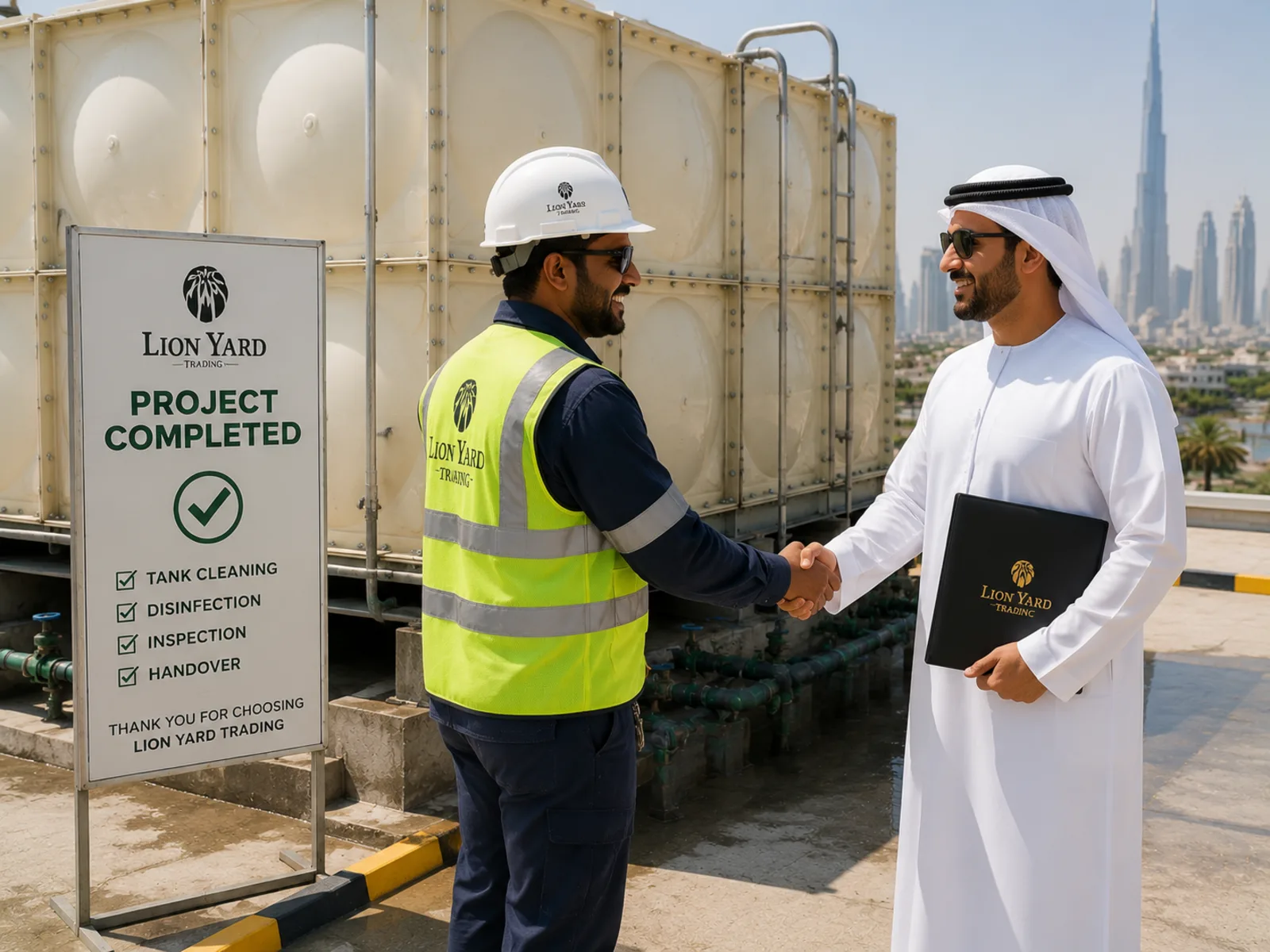
Completed inspection and compliance paperwork being handed over on site
Buying guide

Specifying steel pipe, mesh and sheet

These lines are sold on specification rather than brand. Getting the class and the wall right first time is most of the job.

Buying guide

Specifying steel pipe, mesh and sheet

These lines are sold on specification rather than brand. Getting the class and the wall right first time is most of the job.

Pipe class and wall thickness

Two separate systems get used interchangeably in this market and they are not the same thing. GI pipe is normally sold by class — light, medium or heavy — which sets the wall thickness for a given bore. Carbon steel pipe is normally sold by schedule, where Schedule 40 and Schedule 80 are the common walls.

  • Heavy class GI typically prices 15 to 25 percent above medium class for the same bore, so specifying heavy where medium will do is an avoidable cost.
  • Schedule 80 has a thicker wall than Schedule 40 at the same nominal bore, which means a smaller internal diameter — check your flow calculations before switching schedule to gain strength.
  • Tell us the bore, the class or schedule, and the finish. If you are unsure, tell us the application and the pressure instead and we will come back with the specification.

Pipe is quoted, not price-listed

Steel moves with the mill price and the landed cost, so a published figure would be out of date within the week. Send the specification on WhatsApp and you will get a current price against your actual quantity.

Mesh and sheet

  • Reinforcement mesh is specified by its reference — A393 and A142 are the common ones. Give us the reference rather than a description and there is nothing to get wrong.
  • GI and aluminium sheet are sold by thickness. GI 0.4 mm to 0.7 mm covers most cladding and ducting work; aluminium runs 0.5 mm to 1.0 mm.
  • Fencing has moved to its own category. Chain link, welded mesh, palisade and razor wire are on the Perimeter & Security Fencing page, with dimensions and standards against every line.

Which pipe or tube material — before you specify the size

Six products on this page all get called "pipe", and the choice between them is decided by the job, not by price. Getting the material right is the first decision; class, wall and size are the second.

The jobSpecify
Fence posts, rails, scaffolding, general outdoor structureGI Pipe (galvanized)
Gate frames, canopies, light welded frames and bracketsSteel box section or round tube — galvanized outdoors, paint-grade indoors
Gravity drainage or sewerage, buried, unpressuredPVC pipe
Pressurised water supply, irrigation, a buried line that needs to flex with the groundHDPE pipe
High-pressure industrial process piping to a scheduleCarbon Steel Industrial Pipes (Schedule 40 / 80, above)
Food-grade, chemical-handling, marine or architectural/handrail workStainless steel pipe — grade 304 or 316

The commonest costly mix-up

Bare carbon steel pipe and GI (galvanized) pipe are priced and specified differently, and a site team asking for "steel pipe" without saying which one is choosing blind. Bare carbon steel is for indoor or protected process lines and is normally painted or coated after install; GI pipe is for anything that sits outdoors or carries water, because the zinc coating is what stops it rusting through in a season or two.

GI pipe class — A, B or C

GI pipe is sold in the UAE by class rather than by schedule, and the class sets the wall thickness. This follows the same light/medium/heavy convention as IS 1239 Part 1, the standard the regional trade still specifies against. The class is NOT a pressure rating — neither IS 1239 Part 1 nor BS EN 10255 assigns one; they fix dimensions and delivery condition, and a working pressure is confirmed on the quotation where the line needs one.

ClassWall (typical)Common use
A — light1.8–3.2 mm, rising with boreSimple low-pressure domestic lines — rarely what a site job needs
B — medium2.65–4.85 mmGeneral-purpose water supply and structural use — our standard stock class
C — heavy3.25–5.4 mm, rising with boreHeavier duty, underground work, or where the extra wall is structural

IS 1239 (Part 1) defines the class system by wall thickness and weight per metre, not by a single fixed number across all bores — the figures above are the typical range, and the exact wall for your bore is confirmed on the quotation.

  • Medium (Class B) is our stock class and covers most fencing, general structural and water-line work. Heavy (Class C) is priced above it for the same bore, so specifying it where medium will do is an avoidable cost.
  • Tell us the bore and the application rather than guessing the class — if you are unsure what pressure or load the line carries, describe the job and we will specify it.

PVC or HDPE for a buried line

PVCHDPE
Typical useGravity drainage, sewerage, wastePressurised water supply, irrigation, utility lines
JointingSolvent-weld or rubber-ringButt-fusion or electrofusion — heat, not glue
FlexibilityRigidFlexible — tolerates ground movement and comes in coils at small bore
Pressure ratingClass-rated for pressure duty, or unrated for drainagePN-rated (PE100 material) — confirm the working pressure before ordering

Drainage-grade and pressure-rated are different products

An unpressured drainage pipe and a PN-rated pressure pipe can look identical off the reel. Say which one the job needs — a water supply line run in drainage-grade pipe is a failure waiting for commissioning day, not a cost saving.

Sandwich panels — choosing the core thickness

Core thickness is an insulation decision, not a strength one, and the number that matters is the temperature difference the panel has to hold back — not the building size.

ApplicationTypical core
General warehouse or workshop wall/roof cladding — insulation for comfort and heat gain, not refrigeration50–75 mm — our standard stock
Chilled storage, roughly 0°C to +5°C internal80–100 mm
Frozen storage, around −20°C internal100–150 mm, rising with the temperature difference and the UAE's high ambient heat load

As a rule of thumb, a lower U-value (better insulation) needs a thicker core — a well-insulated cold-store wall is usually built to come in under 0.3 W/m²K. The exact thickness for a refrigeration job is an engineering figure your MEP consultant should confirm; treat this table as the starting point for the conversation, not the final spec.

  • PIR and PU foam cores perform similarly per millimetre — the choice between them is normally down to fire rating and supplier availability rather than thermal performance.
  • Say if the building is Civil Defence-reviewed: the standard combustible PUF core is not what that review wants, and a fire-rated or mineral-wool core needs specifying up front rather than substituted after the drawings are approved.

Matching the anchor to the base

The anchors, screws and bolts on this page are not interchangeable, and the wrong one either fails under load or refuses to fit — usually discovered on site rather than on the drawing.

SituationSpecify
Solid, uncracked concrete, comfortably clear of an edgeWedge (expansion) anchor
Near a slab edge, in cracked concrete, or where the load is higher than a wedge anchor is rated forChemical (resin) anchor — it does not expand, so it does not stress the concrete outward
Tight anchor spacing, or a base too thin for a deep expansion anchorScrew-type concrete anchor — no expansion force, so the closest spacing and edge distance of the three
Fixing sheet or panel straight into a steel purlin, no pre-drilled holeSelf-drilling (Tek) screw
Steel-to-steel structural connectionStructural hex bolt and nut, graded to the load
  • Finish follows exposure, not preference: zinc-plated indoors, hot-dip galvanized or 304 stainless outdoors, and 316 stainless near the coast or around chemicals — Ajman's salt air is hard on plain zinc-plated hardware left outside.
  • For a genuinely structural fixing — a hoarding post base, a bracket taking real load — tell us the load and the base material and we will size the anchor rather than have you pick a diameter off a shelf.

Edge distance is not a formality

A wedge anchor pushes outward as it tightens, and placed too close to an edge or to its neighbour it can crack the concrete it is meant to grip — the trade convention is roughly ten anchor diameters between anchors and five diameters clear of an unsupported edge. A chemical anchor bonds rather than expands, so it tolerates a tighter position; that is the whole reason it costs more.

Questions

Straight answers.

What is the difference between medium and heavy class GI pipe?

Class sets the wall thickness for a given bore. Heavy class has a thicker wall than medium and typically costs 15 to 25 percent more for the same bore. Specifying heavy where medium is adequate is a common and avoidable cost on site.

What is the difference between Schedule 40 and Schedule 80 pipe?

Schedule 80 has a thicker wall than Schedule 40 at the same nominal bore. That gives more strength but a smaller internal diameter, so if you are switching schedule to gain strength, re-check your flow calculations first.

Why are your steel pipe prices not published?

Steel moves with the mill price and the landed cost, so any published figure would be stale within a week and would mislead you. Send us the bore, class or schedule and quantity on WhatsApp and you will get a current price.

What is the difference between GI pipe and carbon steel pipe?

GI pipe is hot-dip galvanized inside and out, so it survives outdoors or carrying water without rusting through in a season or two. Bare carbon steel pipe has no such coating and is normally used indoors or on a protected process line, painted or coated after installation. They are priced and specified separately — say which one the job needs.

Should I use PVC or HDPE pipe for a buried water line?

PVC is the rigid, usually cheaper choice for gravity drainage and sewerage. HDPE is flexible, jointed by heat (fusion) rather than solvent, and is the right choice for pressurised water supply or any buried line that needs to tolerate ground movement — check the PN pressure rating matches your working pressure before ordering.

What thickness of sandwich panel do I need?

For general warehouse or workshop wall and roof cladding — insulation for comfort, not refrigeration — 50 to 75 mm is standard stock. Chilled storage around 0–5°C typically needs 80–100 mm, and frozen storage around −20°C needs 100–150 mm or more, rising with the temperature difference and the ambient heat load. Treat these as a starting point and confirm the exact figure with your MEP consultant on a refrigeration job.

Should I use a wedge anchor or a chemical anchor?

A wedge anchor is the standard choice in solid concrete, comfortably clear of an edge. A chemical (resin) anchor doesn't expand as it sets, so it's the better choice near a slab edge, in cracked concrete, or where the load is higher than a wedge anchor is rated for — that's also why it costs more.

Get in touch

Ready to get your quote?

Tell us the size, quantity and delivery emirate — we'll come back with pricing and availability.

Mon–Sat, 8:00 AM – 6:00 PM · +971 54 303 3119 (Operations Director) · +971 54 241 0599 (Managing Director)